Plan your visit to Aquaria KLCC

Aquaria KLCC is a compact city-center aquarium best known for its 90m underwater tunnel and close-up shark, ray, and turtle views. The route is easy to follow, but it feels much busier than its size suggests on weekends, school breaks, and around feeding times. The biggest difference between a rushed visit and a good one is when you hit the tunnel and Aquatheatre. This guide covers timing, entry, route, and what’s worth slowing down for.

Quick overview: Aquaria KLCC at a glance

If you want a smooth visit here, timing matters more than stamina.

  • When to visit: Monday–Sunday, typically 10am–7pm; weekday mornings before 12 noon are noticeably calmer than weekends and school-holiday afternoons, because families cluster around the tunnel and feeding sessions later in the day.
  • Getting in: From RM55 for Malaysian adults and RM79 for international adults, with pre-booked e-tickets often cheaper than the counter; booking ahead matters most for weekends, public holidays, and school breaks when purchase lines build up fastest.
  • How long to allow: 1.5–2 hours for most visitors, and closer to 2.5 hours if you want to catch feeding sessions, spend time at the touch pool, and actually read the conservation displays.
  • What most people miss: The Flooded Forest freshwater tank and the dimly lit Weird & Wonderful gallery get rushed because most visitors head straight for the tunnel, even though both hold some of the most unusual species in the building.
  • Is a guide worth it? Usually not for a standard visit, because the route is short and well signposted, but a guided school or specialist visit adds value if you want feeding schedules, animal care context, and a more structured pace.

Jump to what you need

🕒 Where and when to go

Hours, directions, entrances and the best time to arrive

🗓️ How much time do you need?

Visit lengths, suggested routes and how to plan around your time

🎟️ Which ticket is right for you?

Compare all entry options, tours and special experiences

🗺️ Getting around

How the galleries are laid out and the route that makes most sense

🐠 What to see

Living Ocean tunnel, touch pool, and Flooded Forest

♿ Facilities and accessibility

Restrooms, parking, accessibility details and family services

Where and when to go

How do you get to Aquaria KLCC?
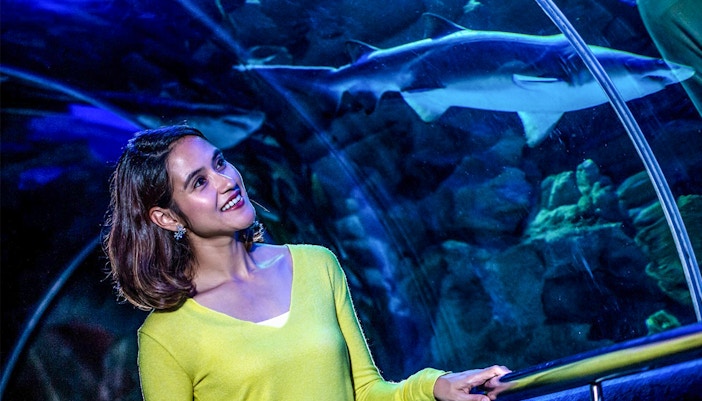
Aquaria KLCC sits below the Kuala Lumpur Convention Centre in KLCC, a short indoor walk from Suria KLCC and the Petronas Twin Towers in the heart of central Kuala Lumpur.

Kuala Lumpur Convention Centre, Jalan Pinang, Kuala Lumpur City Centre, 50088 Kuala Lumpur, Malaysia

→ Open in Google Maps

  • LRT: KLCC Station (Kelana Jaya Line) → 5–7 min walk → stay inside Suria KLCC and follow signs toward the convention centre.
  • Walk: Bukit Bintang elevated walkway → 15 min walk → air-conditioned route that drops you near the convention centre entrance.
  • Taxi / rideshare: Drop-off at Kuala Lumpur Convention Centre driveway → 2–3 min walk → easiest option in rain or with young children.
  • Drive: KLCC / convention centre parking → direct access by lift → expect city-center parking rates and slower exits on weekends.

→ Full getting there guide

Which entrance should you use?

Aquaria KLCC has one main entrance, but the real mistake is arriving without a pre-booked ticket and joining the purchase line during the busiest part of the day.

  • Pre-booked e-tickets: For visitors with online tickets. Expect 5–10 min wait during most time slots, longer only on holiday afternoons.
  • On-site purchase: For walk-ins buying at the counter. Expect 15–30 min wait during weekends, public holidays, and school breaks.

→ Full entrances guide

When is Aquaria KLCC open?

  • Monday–Sunday: 10am–7pm
  • Last entry: 1 hour before closing

When is it busiest? Weekends, public holidays, June, and December are the heaviest periods, especially from 1pm–4pm when families time their visit around feedings and nearby KLCC sightseeing.

When should you actually go? Weekday mornings between opening and 12 noon give you the clearest tunnel views and shorter waits at the touch zone before the afternoon crowd rolls in.

Pro tip

💡 Pro tip: If you want both cleaner tunnel photos and a feeding show, do the tunnel first and circle back to the Aquatheatre later — by mid-afternoon, most visitors bunch up around the tunnel and viewing glass at the same time.

→ Check the complete Aquaria KLCC schedule

How much time do you need?

Visit typeRouteDurationWalking distanceWhat you get

Which ticket does your route need?

All daytime routes work on a standard Aquaria KLCC ticket. The only separate booking is the after-hours Sleep with Sharks program.

✨ The full route is harder to time solo — feeding sessions are spread across the day and the best galleries are easy to rush past. A guided visit helps you catch the schedule and get more from the exhibits. → See guided tour options

Which Aquaria KLCC ticket is best for you

Ticket typeWhat's includedBest forPrice range

How do you get around Aquaria KLCC?

Layout and route

Aquaria KLCC is a compact, linear aquarium with a clear one-way flow rather than multiple wings, so it’s easy to self-navigate but also easy to rush once you hit the tunnel.

  • Evolution Zone: Early galleries with reptiles, amphibians, and smaller aquatic species → budget 10–15 min.
  • Flooded Forest: Freshwater and jungle habitats with arapaima, gar, and river species → budget 15–20 min.
  • Touch zone: Hands-on area with supervised animal interaction → budget 10 min, longer with children.
  • Aquatheatre and Living Ocean: Big-tank viewing followed by the 90m underwater tunnel → budget 20–30 min, longer if you stay for a feed.
  • Weird & Wonderful / Station Aquarius: Jellyfish, stranger marine species, and the educational end zone → budget 15–20 min.

Suggested route: Move steadily through the first galleries, pause at Flooded Forest before the tunnel, then time your Aquatheatre stop around a feeding session; most visitors rush to the tunnel too early and skim the dim final galleries on the way out.

Maps and navigation tools

  • Map: On-site zone map + entry signage → covers the full visitor route → grab it at the entrance before you start.
  • Signage: Good enough for a standard visit, but the darker galleries make it easier to miss smaller tanks if you’re walking behind a crowd.
  • Audio guide / app: The standard visit leans more on exhibit labels and live feeding commentary than on an essential audioguide, so most visitors won’t miss one.

💡 Pro tip: Don’t treat the tunnel as the finish line — the final galleries after it are quieter and hold some of the most unusual animals in the building.
Get the Aquaria KLCC map / audio guide

Which animals and habitats should you prioritize?
Living Ocean tunnel at Aquaria KLCC
Sand tiger sharks at Aquaria KLCC
Arapaima in Flooded Forest at Aquaria KLCC
Touch pool species at Aquaria KLCC
Jellyfish gallery at Aquaria KLCC
Sea turtles and stingrays in tunnel at Aquaria KLCC
1/6

Living Ocean tunnel

Habitat: Open-ocean tunnel

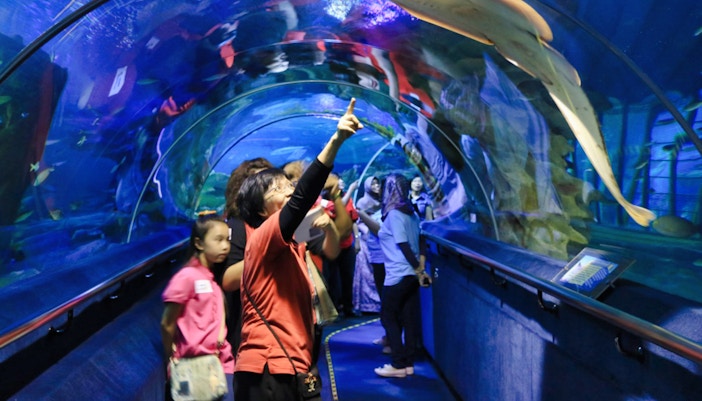
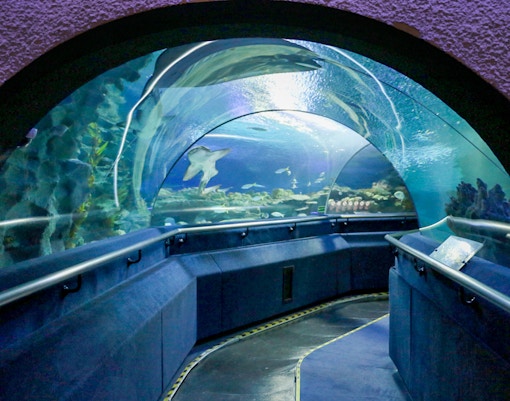
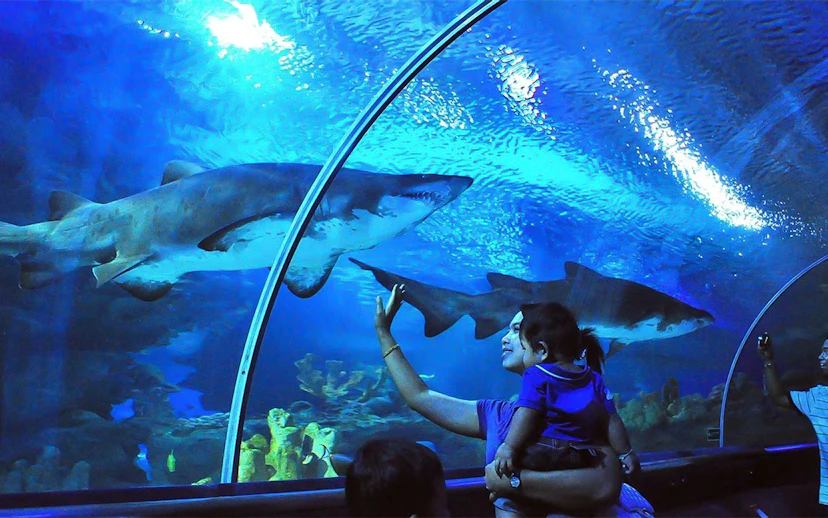
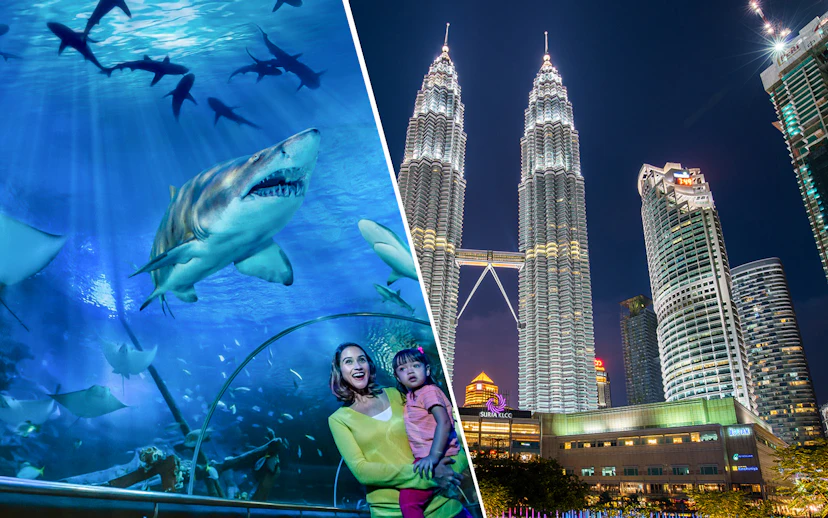
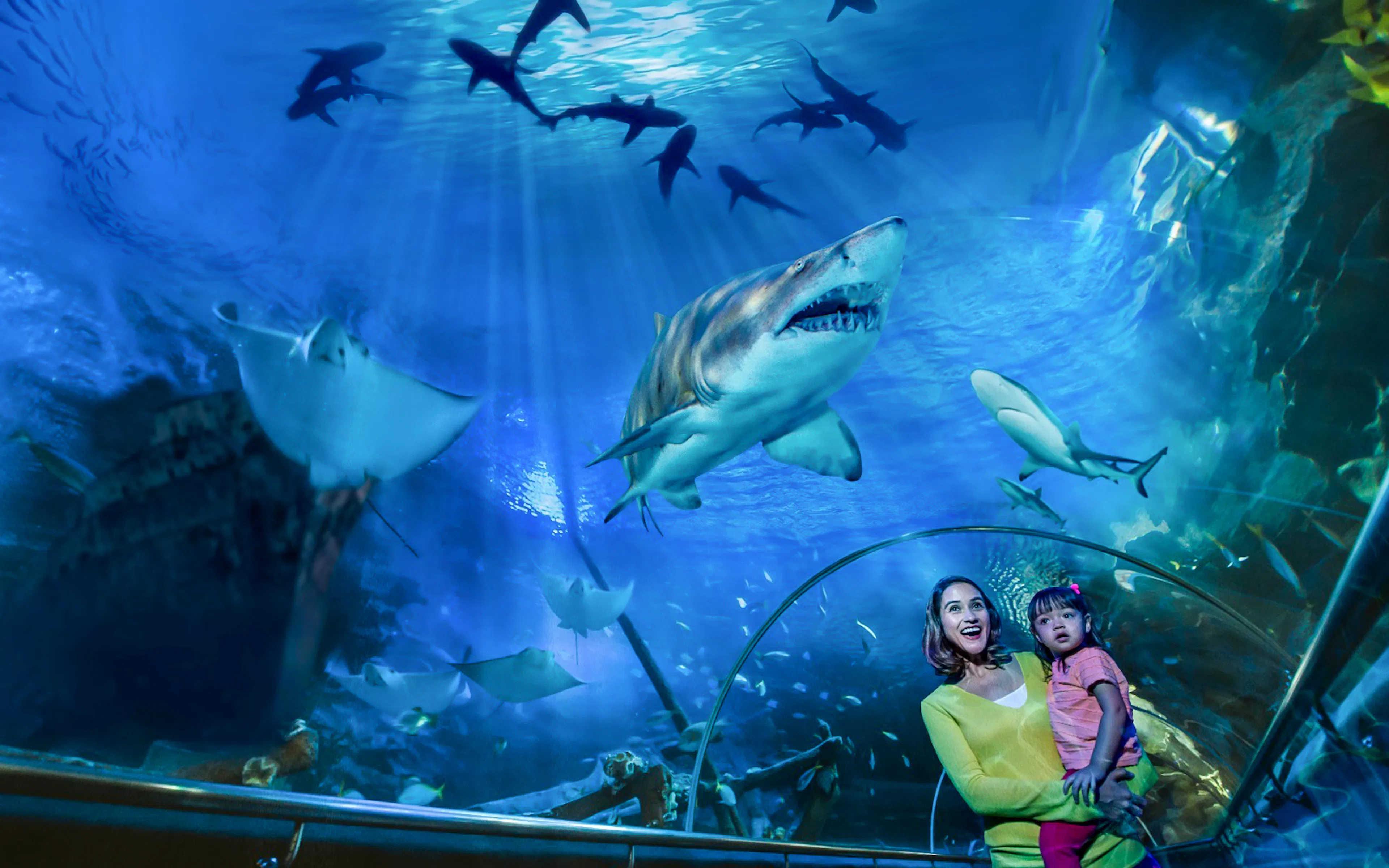
This is the signature Aquaria KLCC moment: a 90m underwater tunnel with sharks, rays, turtles, and large fish moving above and around you. It’s worth slowing down for because the species mix changes as you move through, and the moving walkway can make people forget to stop and look upward at the wider tank life beyond eye level.

Where to find it: Mid-to-late in the visitor route, directly after the Aquatheatre viewing area.

Sand tiger sharks

Species: Sand tiger shark

These are the animals most visitors come for, and they look especially dramatic in the tunnel and during feeding sessions. What people often miss is how slowly and deliberately they move compared with the faster schooling fish around them, which makes them easier to watch if you pause instead of walking with the crowd.

Where to find it: Best seen in the Living Ocean tunnel and Aquatheatre tank.

Arapaima in Flooded Forest

Species: Arapaima gigas

The arapaima is one of the world’s largest freshwater fish, and seeing one here changes the feel of the visit because it breaks the idea that the biggest animals are all in the saltwater section. Most visitors hurry through this zone on the way to the tunnel, but if you wait a moment near the surface, you may see the fish rise to gulp air.

Where to find it: Flooded Forest zone, before the main tunnel section.

Touch pool species

Species: Starfish, horseshoe crabs, and other supervised touch-pool animals

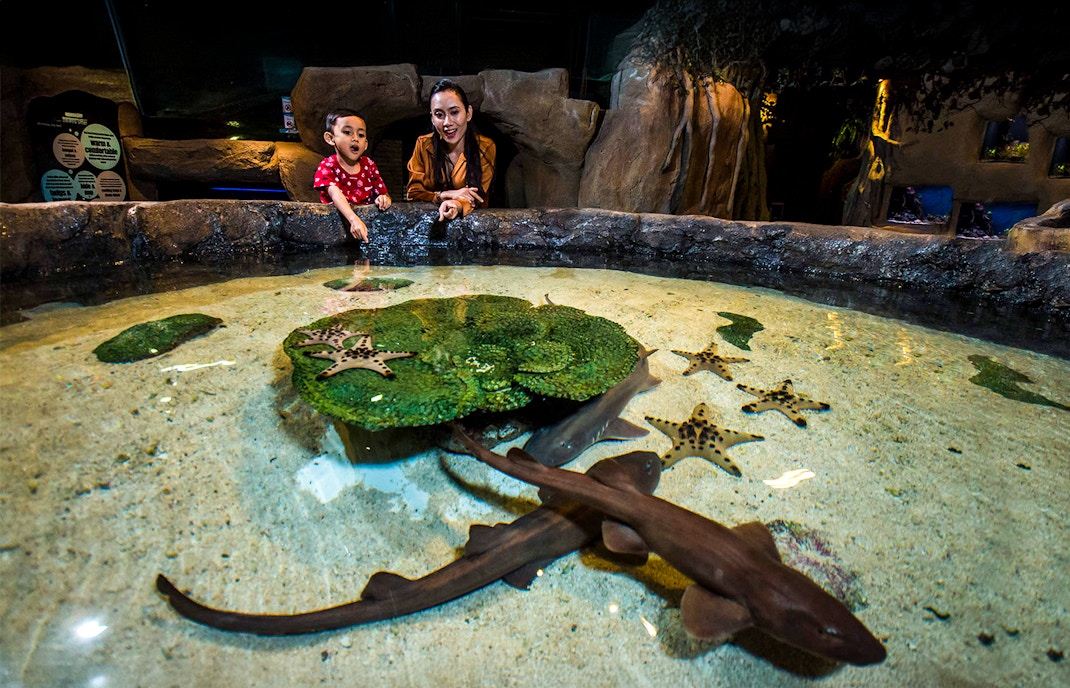
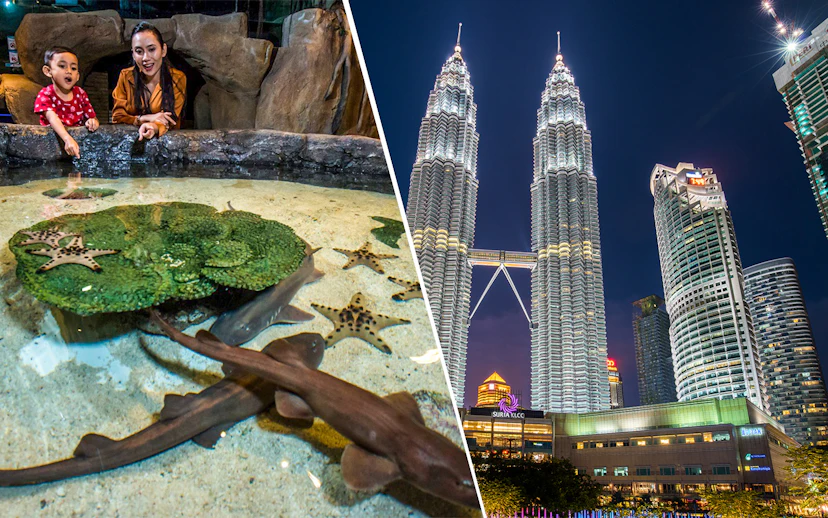
This is one of the few parts of the aquarium where children aren’t just looking through glass, and that tactile element makes it far more memorable than another photo stop. What many adults skip is the short staff briefing, but that’s what helps you understand how to interact gently and why these species matter.

Where to find it: Early in the route, before the major open-ocean displays.

Jellyfish and oddities in Weird & Wonderful

Habitat: Specialized marine micro-habitats

The dimly lit final galleries are some of the most visually striking in the aquarium, especially the jellyfish displays under changing light. They’re easy to miss because crowd flow thins out after the tunnel, but that’s exactly why this section rewards a slower pass — you’ll finally get space to notice smaller, stranger species.

Where to find it: Near the end of the route, after the tunnel and main shark displays.

Green sea turtles and giant stingrays

Species: Marine reptiles and rays

These are often the most graceful animals in the tunnel, and they change the mood from ‘thrilling’ to genuinely immersive. Children tend to spot the sharks first, but the turtles and rays are the animals that linger longest in memory because of how close and unhurried they feel. A small trick: watch the upper arc of the tunnel glass, where the rays pass overhead and briefly fill your whole field of view.

Where to find it: In the Living Ocean tunnel, especially toward the middle and upper viewing arc.

Don't leave without seeing

💡 Don't leave without seeing: the Flooded Forest tank and the Weird & Wonderful gallery — most visitors rush past both because the tunnel pulls the crowd forward, but they hold some of the aquarium’s biggest freshwater species and strangest marine life.

→ See the complete highlights guide

Facilities and accessibility

  • 🎁 Gift shop / merchandise: The gift shop sits near the exit, and it’s the easiest place to pick up a quick plush shark or child-friendly souvenir without backtracking.
  • 🅿️ Parking: The easiest parking is in the KLCC / convention centre complex, which gives you the shortest walk to the entrance but fills more slowly to exit on weekends.
  • 🪑 Seating / rest areas: This is a mostly continuous walking route, so take a proper rest before you enter if you’re visiting with grandparents, toddlers, or anyone who tires easily.
  • 🚻 Restrooms: It’s smartest to use the convention centre or Suria KLCC restrooms before entry, because the aquarium visit flows one way and re-entry isn’t flexible once you leave.
  • Mobility: The route is ramp- and elevator-friendly, and strollers move well through the main circuit, though the tunnel and touch zone can bottleneck on crowded afternoons.
  • 👁️ Visual impairments: This is a strongly visual attraction with some dim galleries, so smaller labels and low lighting can make a companion-assisted visit easier than navigating entirely from signage alone.
  • 🧠 Cognitive and sensory needs: Weekday mornings are the calmest visiting window, while feeding sessions, school-holiday afternoons, and the tunnel area are the loudest and most stimulating parts of the route.
  • 👨‍👩‍👧 Families and strollers: The main route is stroller-friendly end to end, and the short overall visit length makes it manageable with naps, snack timing, and younger children.

Aquaria KLCC works well for children because the route is short, the visuals are immediate, and the mix of tunnel views and touch-pool interaction gives younger visitors more than just signs to look at.

  • 🕐 Time: 1.5–2 hours is realistic with young children, and the tunnel, touch pool, and shark viewing areas are the parts most worth prioritizing.
  • 🏠 Facilities: The stroller-friendly route and nearby KLCC mall facilities make the visit easier than many larger wildlife attractions in the city.
  • 💡 Engagement: Don’t rush from tank to tank — ask children to spot the slowest-moving shark, the widest ray, or the strangest fish shape, because the aquarium rewards observation more than speed.
  • 🎒 Logistics: Bring a small bag, not a bulky backpack, and aim for the first half of the day when galleries are cooler, calmer, and easier to navigate with kids.
  • 📍 After your visit: KLCC Park is the easiest child-friendly follow-up, especially if kids need outdoor space after a dim indoor route.

Rules and restrictions

What you need to know before you go
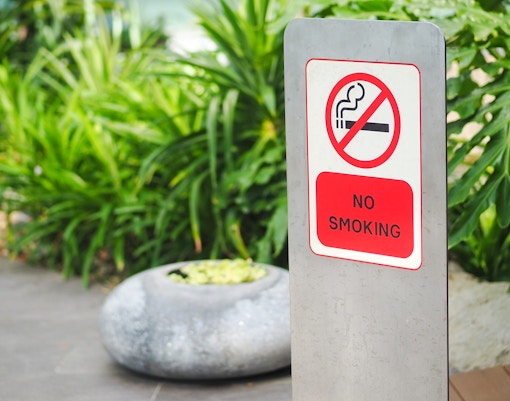
  • Entry requirement: Day tickets are single-entry and easiest to use as pre-booked e-tickets, while Malaysian-rate tickets require local ID at entry.
  • Bag policy: Large bags may be inspected at entry, and a smaller day bag keeps security and the narrow route much easier.
  • Re-entry policy: Re-entry is not permitted once you exit, so leaving for lunch or a rest means your aquarium visit is effectively over.

Not allowed

  • 🚫 Food and drink: Eating inside the galleries isn’t part of the standard visit, so plan snacks and meals before entry or after you exit into KLCC.
  • 🚬 Smoking / vaping: Smoking and vaping aren’t appropriate inside the aquarium complex, so step outside the building precinct if you need a break.
  • 🐾 Pets: Pets aren’t part of the standard visitor policy inside the aquarium environment.
  • 🖐️ Touching exhibits: Touch animals only in the supervised pool, because contact elsewhere can stress the animals and damage tanks or habitats.

Photography

Photography is allowed through most of Aquaria KLCC, but the best approach is no flash in dim galleries and animal zones where bright light can disturb the displays. The main distinction is practical rather than room-by-room: open viewing tanks and the tunnel are photo-friendly, while touch interactions and crowded feeding areas are easier to enjoy if you’re not trying to shoot over everyone else. Tripods, bulky gear, and anything that blocks the one-way route are best left out.

Good to know

  • The mandatory souvenir photo stop near the entrance catches some visitors off guard, so factor in a few extra minutes even if you don’t plan to buy the photo.
  • The route feels shortest if you rush to the tunnel, but that also means missing the freshwater and ‘weird species’ zones that make the aquarium more varied than people expect.
Re-entry warning

⚠️ Re-entry is not permitted once you exit Aquaria KLCC. Plan restroom stops, meals, and rest breaks before leaving — the easiest food options are back in Suria KLCC, 5–10 minutes away on foot, and you can’t pop back in afterward for the tunnel or the next feeding session.

Practical tips

  • Book online for weekends, public holidays, and school breaks, because the biggest time loss here usually isn’t the aquarium route itself — it’s the counter line before you even get in.
  • Hit the Living Ocean tunnel before 12 noon if clean photos matter to you, because by mid-afternoon the glass is ringed with people waiting for sharks, rays, and feedings.
  • Don’t burn all your time at the tunnel first; save 20–30 minutes for Flooded Forest and Weird & Wonderful, which are the parts most visitors unintentionally reduce to a fast walk-through.
  • Bring a small bag instead of a bulky backpack, because entry checks are faster and the route is smoother in crowded, narrow viewing zones.
  • Eat before you enter if you’re visiting with children, since this is a short single-entry attraction and the most practical lunch options are outside in Suria KLCC after your visit ends.
  • If you want a fuller visit without much extra effort, build your timing around one feeding session rather than trying to catch all of them — one well-timed stop adds more than repeatedly waiting around.
  • Pair Aquaria KLCC with another nearby indoor attraction only if you start early; done back-to-back with Petrosains or the Petronas Towers, it works well, but stacking everything into late afternoon makes the aquarium feel more crowded than it is.

What else is worth visiting nearby?

Commonly paired: Petronas Twin Towers

Petronas Twin Towers
Distance: ~400m — 5–10 min walk
Why people combine them: They’re in the same KLCC zone, so it’s one of the easiest same-day pairings in Kuala Lumpur if you want a skyline landmark and an indoor wildlife attraction without extra transport.
→ Learn more

Commonly paired: Petrosains Discovery Centre

Petrosains Discovery Centre
Distance: ~500m — 5–10 min walk
Why people combine them: It makes a very easy full day for families, with interactive science first and a shorter aquarium visit afterward, all connected through the KLCC complex.
→ Learn more

Also nearby

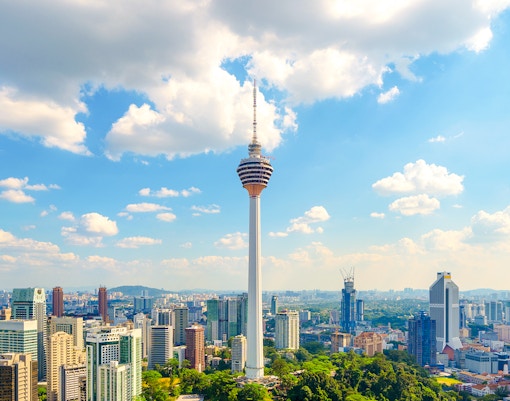
KL Tower
Distance: ~2km — 10 min by taxi or 20 min on foot
Worth knowing: This works better as a second stop for city views than as a strict walking pairing, but it gives you a nice contrast to the enclosed aquarium visit.

Pavilion Kuala Lumpur / Bukit Bintang
Distance: ~1.5km — 15 min walk via the covered walkway
Worth knowing: It’s the most practical follow-up if your day naturally shifts into shopping or dinner after Aquaria KLCC.

Eat, shop and stay near Aquaria KLCC

  • On-site: There isn’t a full meal stop inside Aquaria KLCC itself, so treat it as a 1.5–2 hour visit and plan to eat before entry or right after you exit.
  • Suria KLCC food court (5-min walk, Suria KLCC): Best all-around fallback for families because it’s close, fast, and easy to reach without going back outside.
  • Suria KLCC cafés (5-min walk, Suria KLCC): Good for coffee, pastries, or a light pre-visit stop if you’ve arrived early and don’t want a full sit-down meal yet.
  • Pavilion Kuala Lumpur dining floor (15-min walk, 168 Jalan Bukit Bintang): Better if you want more choice after Aquaria and are already heading toward Bukit Bintang next.
  • Pro tip: If you’re visiting on a weekend, eat before 12 noon or after 2pm — KLCC lunch traffic can feel more tiring than the aquarium itself.
  • Aquaria KLCC gift shop: Best for quick marine-themed souvenirs and children’s gifts without adding another stop to your day.
  • Suria KLCC: The easiest nearby shopping option if you want something beyond souvenirs, especially because it’s directly connected and weather-proof.

Yes — KLCC is one of the easiest bases in Kuala Lumpur if you’re on a short trip and want major sights, malls, and indoor attractions within walking distance. It’s polished, convenient, and particularly strong for families or first-time visitors who don’t want to spend much time in transit. The trade-off is price: this is not the city’s budget base, and the neighborhood can feel more businesslike than atmospheric after dark.

  • Price point: Mostly mid-range to high-end hotels, with convenience and walkability doing much of the pricing work.
  • Best for: Short stays, family trips, and first-time visits where you want Aquaria KLCC, the Petronas Twin Towers, and malls close together.
  • Consider instead: Bukit Bintang if you want more nightlife and dining energy, or KL Sentral if you care more about transit convenience and easier airport connections than staying by the sights.

Frequently asked questions about visiting Aquaria KLCC

Most visits take 1.5–2 hours. You can do a fast lap in about 1 hour, but that usually means rushing the Flooded Forest, touch pool, and educational end galleries. If you want to catch a feeding session and spend proper time in the tunnel, allow up to 2.5 hours.

More reads

Aquaria KLCC tickets

Aquaria KLCC highlights

Getting to Aquaria KLCC

Kuala Lumpur travel guide