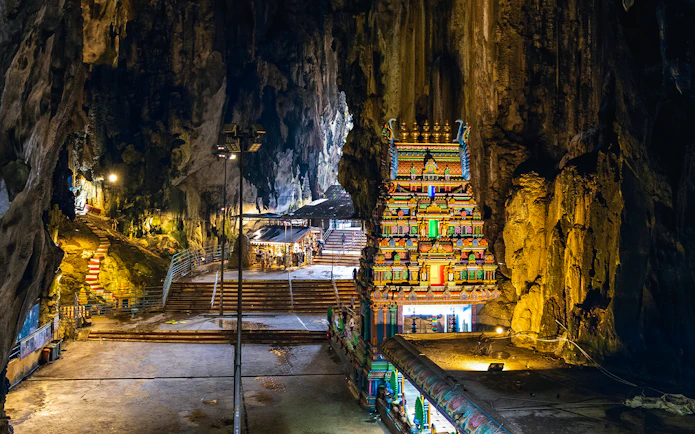
- Why this month: Chinese New Year illuminations run from February 17–March 3, with lanterns and lion dances drawing big evening crowds.
- Best time: 7pm–9pm
- Book by: No ticket needed; plan your Grab before 6:30pm
- Crowds: High on February 17–18, moderate on later weekdays
- The temple glows after dark, and the hilltop view adds city lights behind the lanterns.
- Don't miss: Days one and fifteen of the Lunar New Year for the fullest temple atmosphere
- Insider tip: Go on a weekday after the first two holiday nights if you want better photos and shorter waits for parking.
Kuala Lumpur in February Weather Crowds and Top Events
Kuala Lumpur in late winter: How February compares
| Category | January | February | March |
|---|---|---|---|
Weather | 25–34°C, humid, with regular afternoon showers | 26–35°C, hotter and slightly drier, with clearer afternoons | 26–36°C, hotter still, with stronger pre-monsoon thunderstorms |
Crowds | Low to moderate after New Year | Moderate early month, then high around Feb 1 and Feb 17–18 | High around Eid travel dates; moderate on regular weekdays |
Atmosphere | Quieter city break month with CNY build-up | Festival-heavy, street processions, lanterns, temple visits, and late-night eating | Ramadan mood, bazaar hopping, and more local evening traffic |
Key events | Chinese New Year decorations go up across the city | Thaipusam, Federal Territory Day, Chinese New Year, Ramadan opening night | Eid al-Fitr buildup, Ramadan peak week, open-house season begins late month |
Public holidays | New Year's Day | Federal Territory Day, Chinese New Year | Nuzul Al-Quran, Hari Raya Aidilfitri |
Budget | Good hotel value, especially midweek | Rates jump around Feb 1 and Feb 16–18 | Hotels fill around Eid, but non-holiday dates can still price well |
Best for | Lower crowds, skyline views, first-time sightseeing | Festival trips, food, temple visits, and short city breaks | Ramadan food culture and family-style Malay dining |
Book early? | Helpful for Petronas and weekends | Yes, definitely for holiday stays, Petronas, and special dinners | Yes for Eid weekend travel and popular iftar buffets |
Transport tips | Easy city movement outside weekends | Expect delays near Batu Caves on Feb 1 and more traffic in Chinatown/KLCC during CNY | Evening rides run slower near bazaars; morning sightseeing works better |
Top things to do in Kuala Lumpur in February
Offbeat experiences in February
Planning your February visit
| Lead time | What to book | Why & when | Seasonal price change |
|---|---|---|---|
8–10 weeks ahead | KLCC or Bukit Bintang hotels in Kuala Lumpur | By early December for February 1 and February 16–18; Thaipusam and CNY compress hotel supply fast | February 1 and February 16–18: roughly +20–40% vs mid-February weekdays |
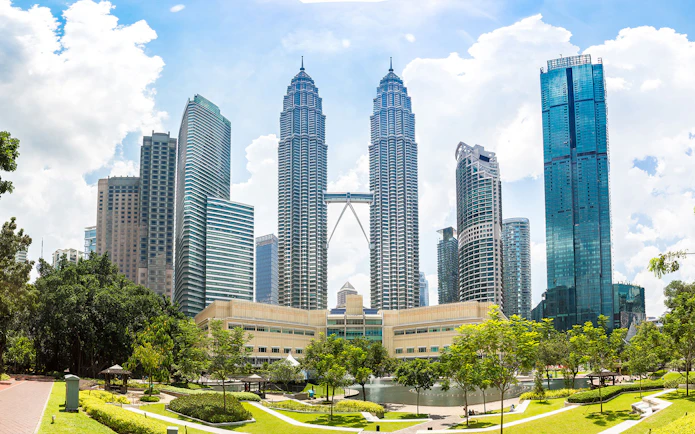
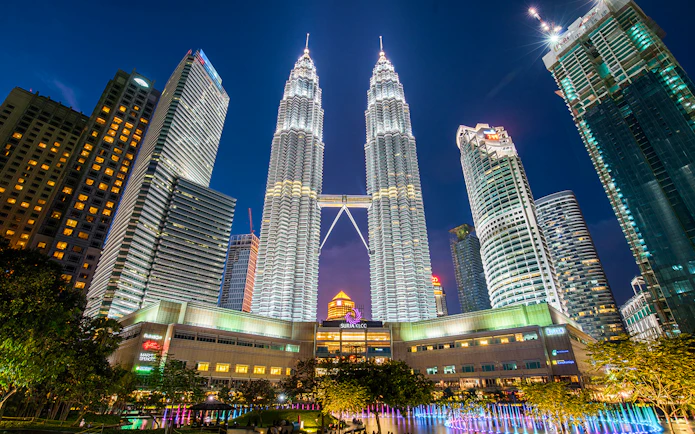
3–6 weeks ahead | Petronas Twin Towers Tickets | Book sunset and late-afternoon slots first, especially for February 14–18 | Ticket price is usually stable; nearby hotel and transfer bundles can run +10–20% on holiday dates |
3–4 weeks ahead | Aquaria KLCC Tickets | Reserve school-holiday and weekend visits before the CNY week; indoor attractions get busier when the city is hot | Ticket pricing is mostly flat; weekend combo demand can push bundled rates +5–15% vs weekday availability |
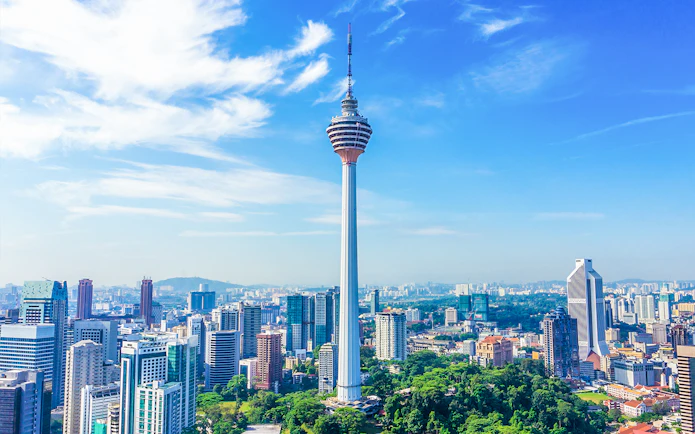
2–4 weeks ahead | Dinner Buffet at ORBIT Revolving Dining in KL Tower | February 14 is the date driver; dinner views and window-seat requests go first | Valentine’s week set dinners commonly sit +15–30% vs standard weekday dining |
1–2 weeks ahead | From Kuala Lumpur: Private Half-Day Batu Caves & Cultural Temple Tour with Transfers | Lock in your Batu Caves plan before the February 1 rush or the first post-holiday weekend | February 1 transport and private-car rates can be +10–25% vs ordinary weekdays |
1–2 weeks ahead | Genting SkyWorlds Outdoor Theme Park Tickets | Book weekends, school-holiday dates, and cable-car add-ons before departure day | Weekend and school-break packages can run +10–20% vs weekday base fares |
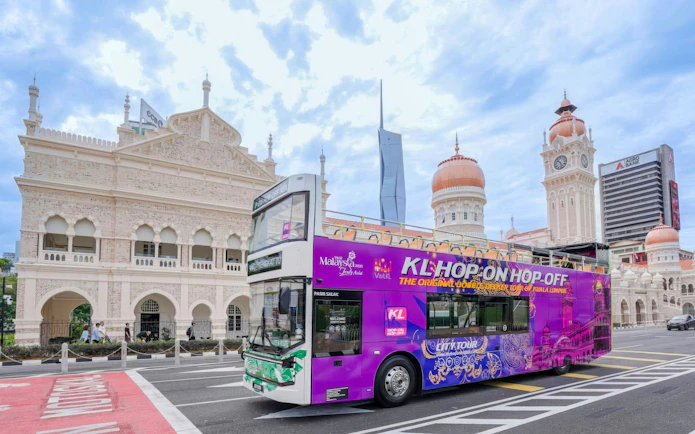
3–7 days ahead | [Buy 1, Get 1] Kuala Lumpur Hop-on Hop-off Bus Tour | Good for flexible sightseeing once you know your weather and festival schedule | Usually stable; holiday-week demand affects seat choice more than headline price |
1–3 days ahead | Train Transfers: KL Sentral to/from Kuala Lumpur International Airport by KLIA Ekspres | Useful close to travel date; airport products rarely need long lead times | Mostly flat month-wide, with only minor holiday-week increases if bundled with hotel packages |
February highlights: Must-do experiences for different travellers
Kuala Lumpur in February: Your perfect 3-day itinerary
Best day trips from Kuala Lumpur in February
Go shopping in Kuala Lumpur in February
-
-
-
-