- Why this month: March gives these old-core streets a festive retail edge without the heavier February holiday crush.
- Best time: Late afternoon into evening
- Book by: No booking needed, unless doing it as part of a guided half-day plan
- Crowds: Moderate early month, high closer to Eid
- Walk Chinatown lanes, browse snack tins and small gifts, then cross to Central Market for easier souvenir shopping.
- Don't miss: Chan See Shu Yuen Temple tucked just off the main flow
- Insider tip: Bargain at Petaling Street, not at fixed-price craft stalls.
Kuala Lumpur In March Weather Crowds And Ramadan Bazaars
Kuala Lumpur in early-spring travel terms: how March compares
| Category | February | March | April |
|---|---|---|---|
Weather | 26–35°C (79–95°F); slightly drier, clearer afternoons | 26–36°C (79–97°F); hotter, more humid, storms often 3–5pm | 26–36°C (79–97°F); still hot, with lingering post-Eid humidity |
Crowds | High around Thaipusam and Chinese New Year | Moderate early, then high in the final Ramadan week and Eid | Moderate after the first two post-Eid weeks |
Atmosphere | CNY lanterns, lion dances, temple visits | Ramadan bazaars, pre-Raya shopping, open-house build-up | Slower city pace, Tamil New Year in Brickfields |
Key events | Thaipusam, Chinese New Year, Ramadan begins Feb 17, 2026 | Chap Goh Meh, Nuzul Al-Quran, Ramadan peak week, Hari Raya Aidilfitri | Hari Raya open houses continue, Tamil New Year |
Public holidays | Feb 1, 2026; Feb 17–18, 2026 | March 7, 2026; March 20–21, 2026 | No major nationwide holiday spike after mid-April |
Budget | Higher around CNY weekends | Early month steady; March 19–22 usually jumps | Softer after the festive rush |
Best for | Festival chasers, Chinese temple visits, Thaipusam | Food-focused trips, first-timers, Raya shopping, evening city life | Easier sightseeing, better pace, fewer holiday surges |
Book early? | Yes for CNY hotels and Batu Caves logistics | Yes for Eid hotels, Petronas slots, and festive dinners | Mostly only for popular sunset decks and fine dining |
Transport tips | Batu Caves and Chinatown get packed on festival dates | Expect heavier traffic near bazaars and mall districts at sunset | Smoother city movement outside Tamil New Year hotspots |
Top things to do in Kuala Lumpur in March
Offbeat experiences in March
Planning your March visit
| Lead time | What to book | Why & when | Seasonal price change |
|---|---|---|---|
2–3 months ahead | Hotels in KLCC, Bukit Bintang, and Chinatown for March 19–22 in Kuala Lumpur | March 20–21, 2026 is the Eid driver; domestic travel and family reunions tighten supply | March 19–22: hotels often run +25–45% vs early-March midweek rates |
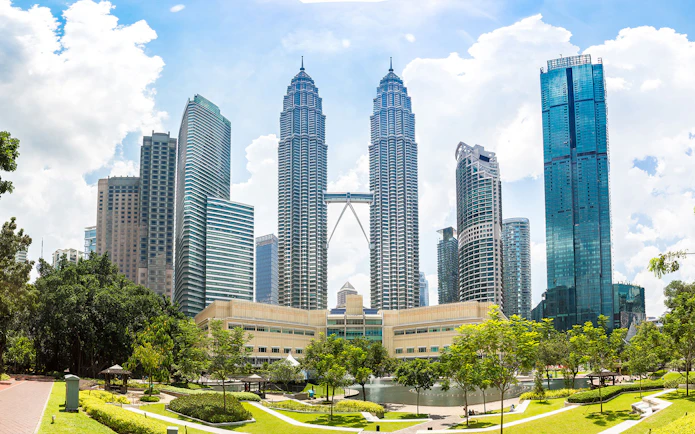
3–6 weeks ahead | Petronas Twin Towers Tickets | Afternoon and weekend timed slots go first; book earlier if your trip overlaps with school breaks or Eid weekend | Weekend prime slots: often +10–20% vs weekday base if bundled or premium |
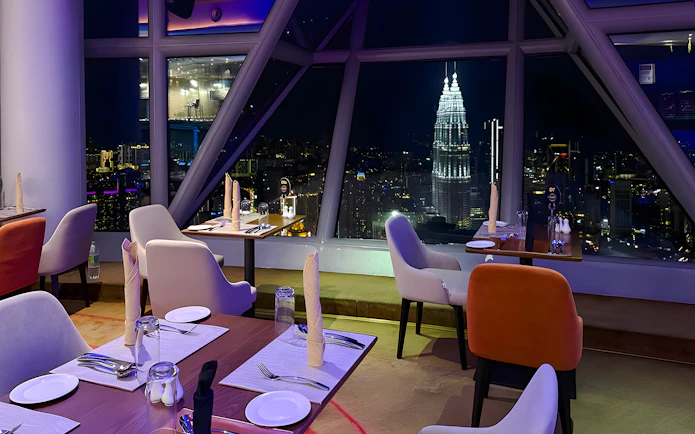
2–4 weeks ahead | Dinner Buffet at ORBIT Revolving Dining in KL Tower | March sunsets and post-rain evenings are the sweet spot; weekend dining demand builds fastest | Friday–Sunday dinner windows: usually +10–15% vs weekday lunch timing |
1–2 weeks ahead | Petrosains, The Discovery Centre Tickets in Kuala Lumpur | Best booked once your itinerary is fixed; both are ideal rain backups for March afternoons | Usually stable early month; holiday weekends can edge up +5–10% vs ordinary weekdays |
1 week ahead | From Kuala Lumpur: Private Half-Day Batu Caves & Cultural Temple Tour with Transfers | Morning departures matter more than anything in March heat; private slots get snapped up near long weekends | Private-tour pricing is often stable; March 20–22 can run +10–15% vs the first half of the month |
3–7 days ahead | Skyline Luge KL & Skyride Tickets | Weather is the main variable here; book once your dry morning or family day is clear | Weekends: commonly +5–10% vs weekday base; weekdays often stay flat |
2–5 days ahead | Train Transfers: KL Sentral to/from Kuala Lumpur International Airport by KLIA Ekspres | March evenings can bring road delays; a fixed airport transfer cuts uncertainty on arrival or departure day | Usually flat; last-minute convenience matters more than price movement |
March highlights: must-do experiences for different travellers
Kuala Lumpur in March: your perfect 3-day itinerary
Best day trips from Kuala Lumpur in March
Go shopping in Kuala Lumpur in March
-
-
-
-