- Why this month: November is when Brickfields is busiest with kolam, garlands, sweet shops, and temple traffic around Deepavali.
- Best time: 8am–11am
- Book by: No booking needed; go 2–3 days before November 8 for the liveliest streets
- Crowds: High near Deepavali week, especially mornings and after sunset
- Flower stalls, sari shops, and snack counters make this the city’s most seasonal neighborhood walk.
- Don't miss: Kolam patterns outside Sri Kandaswamy Temple
- Insider tip: Go before lunch, when the pavement is drier and sweets counters are fully stocked.
Kuala Lumpur in November Weather Crowds and Deepavali
Kuala Lumpur in the wet season: how November compares
| Category | October | November | December |
|---|---|---|---|
Weather | 25–33°C (77–91°F); rain builds from mid-month | 24–32°C (75–90°F); heaviest rain of the year | 24–32°C (75–90°F); heavy evening rain, clearer mornings |
Crowds | Moderate, rising near MotoGP and Deepavali light-up | Moderate, with Deepavali and post-race hotel spikes | High, especially from Christmas to New Year’s Eve |
Atmosphere | Lantern season, race build-up, Brickfields light installations | Temple visits, sweets, pre-Christmas mall launches, rain-cooled evenings | Full holiday mode, mall illuminations, year-end sales |
Key events | Mid-Autumn tail end, MotoGP weekend, Deepavali light-up | Deepavali on November 8, Mid Valley Christmas launch, KLPAC year-end season | Christmas Day, New Year’s Eve countdowns, year-end sales |
Public holidays | None city-defining after MotoGP weekend | Deepavali on November 8 | Christmas Day on December 25 |
Budget | Rates rise sharply on MotoGP weekend | Better than December, but holiday weekends lift prices | Highest of the season near Christmas and New Year’s |
Best for | Festival build-up, race fans, early Deepavali visuals | Foodies, indoor planners, festival culture, flexible first-timers | Shoppers, holiday travelers, end-of-year trips |
Book early? | Yes for Sepang weekend and Brickfields stays | Yes for Deepavali weekend and weekend theatre | Yes for KLCC stays, New Year’s Eve, and skyline dining |
Transport tips | Sepang traffic affects airport corridor late month | Rain can slow Grab pickups by 30–45 min at underpasses | Road closures and event traffic near KLCC and Dataran Merdeka |
Top things to do in Kuala Lumpur in November
Offbeat experiences in November
Planning your November visit
| Lead time | What to book | Why & when | Seasonal price change |
|---|---|---|---|
6–8 weeks ahead | KLCC and Brickfields hotels for Deepavali week in Kuala Lumpur | Book before early October; November 8 holiday traffic lifts demand near festival zones | Deepavali weekend: often +15–30% vs mid-Nov weekday rates |
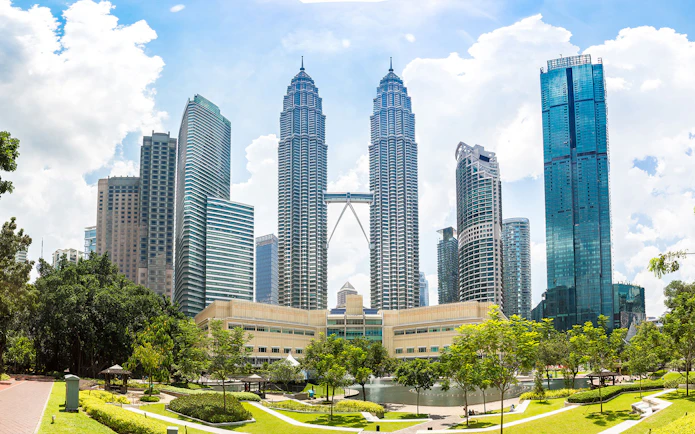
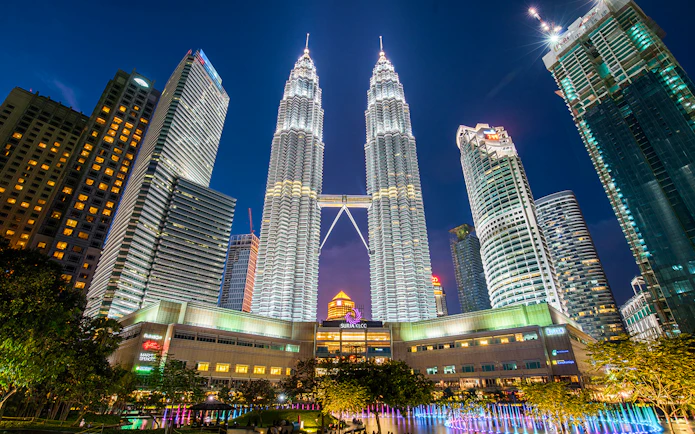
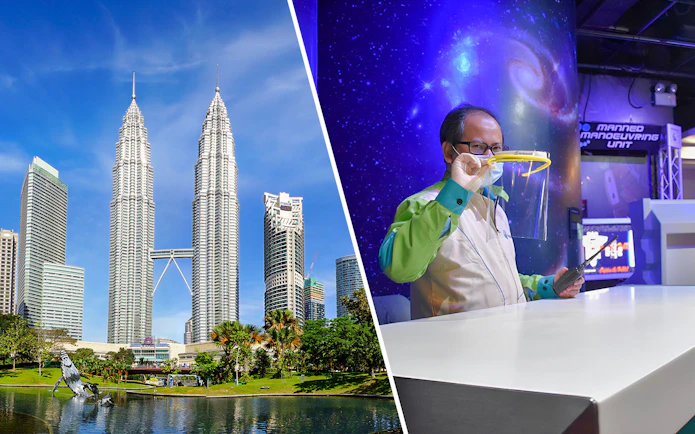
2–4 weeks ahead | Petronas Twin Towers Tickets | Book for weekday morning slots; these are easiest for clearer views and faster entry | Prime late-morning slots: usually +10–15% vs less popular times |
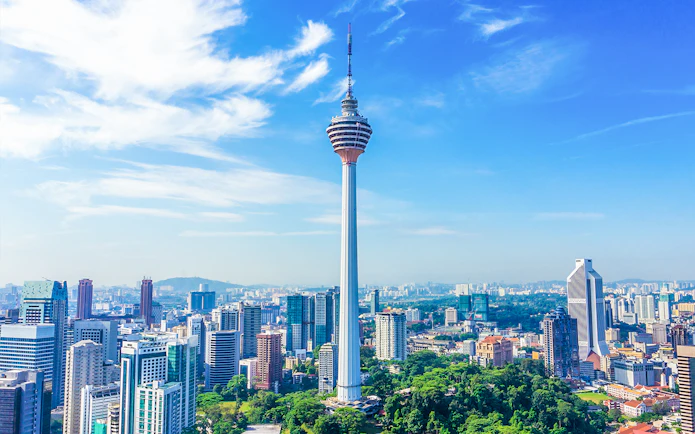
2–3 weeks ahead | Combo (Save 23%): KL Tower Tickets + Dining at ORBIT Revolving Restaurant | Reserve before weekend dinner periods; rainy evenings push more travelers indoors | Friday–Sunday dinner windows: often +10–20% vs weekday lunch |
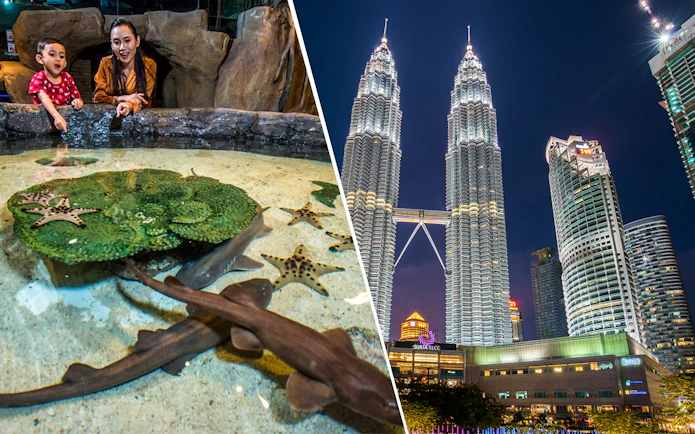
1–2 weeks ahead | Combo (Save 21%): Aquaria KLCC + Petronas Twin Towers Tickets | Book once your forecast window is clearer; indoor plans get snapped up during wet spells | Weekend and school-break dates: around +5–15% vs weekday base |
1 week ahead | Combo (Save 32%): Petrosains, The Discovery Centre + Petronas Twin Towers Tickets | Tickets must be purchased at least 24 hours ahead; best for wet-day backup planning | Usually stable mid-month; weekend family slots can rise slightly |
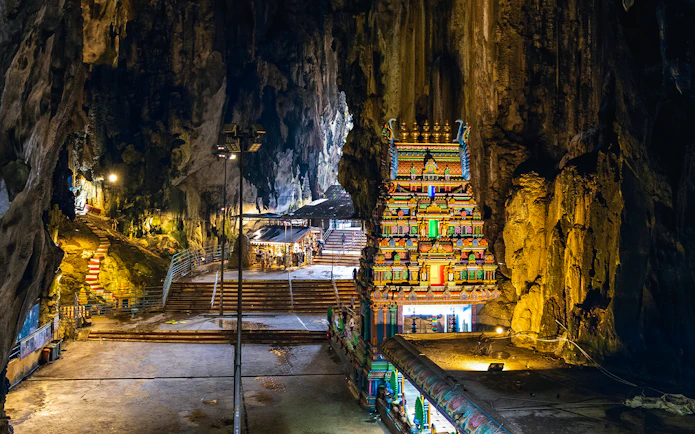
3–5 days ahead | From Kuala Lumpur: Private Half-Day Batu Caves & Cultural Temple Tour with Transfers | Lock in an early-morning date once the short-range forecast settles | Private tours can rise around Deepavali week and weekends |
2–4 days ahead | Skyline Luge KL & Skyride Tickets | Hold off until the forecast looks dry for a morning session | Often flat; last-minute pricing works if weather is uncertain |
2–3 weeks ahead | KLPAC or Istana Budaya weekend shows in Kuala Lumpur | November weekend performances sell earlier than midweek ones | Best seats on weekends: often +10–20% vs weekday equivalents |
November highlights: Must-do experiences for different travellers
Kuala Lumpur in November: Your perfect 3-day itinerary
Best day trips from Kuala Lumpur in November
Go shopping in Kuala Lumpur in November
-
-
-
-