Plan your visit to Batu Caves
Jump to what you need
🕒 Where and when to go
🗓️ How much time do you need?
🎟️ Which ticket is right for you?
🗺️ Getting around
🛕 What to see
♿ Facilities and accessibility
Where and when to go
How do you get to Batu Caves?
Which entrance should you use?
When is Batu Caves open?
How much time do you need?
| Visit type | Route | Duration | Walking distance | What you get |
|---|---|---|---|---|
Highlights only | Base forecourt → Murugan statue → 272 steps → Temple Cave → descend | 1.5–2 hours | 272 steps + short cave walk | You get the iconic Batu Caves experience and the main shrine, but you skip the storytelling caves at the base and the guided nature side of the site. |
Balanced visit | Base forecourt → Temple Cave → descend → Ramayana Cave → Cave Villa | 2.5–3 hours | 272 steps + base-level cave walks | This adds the mythology, murals, and quieter side caves that make the visit feel fuller, without committing to a separate tour slot. |
Full exploration | Base forecourt → Temple Cave → Dark Cave tour → Ramayana Cave → Cave Villa | 3.5+ hours | 272 steps + guided cave route + base-level cave walks | This gives you the religious, visual, and ecological sides of Batu Caves, but it requires more stamina, better timing, and a separate guided booking for the Dark Cave. |
Select your experience
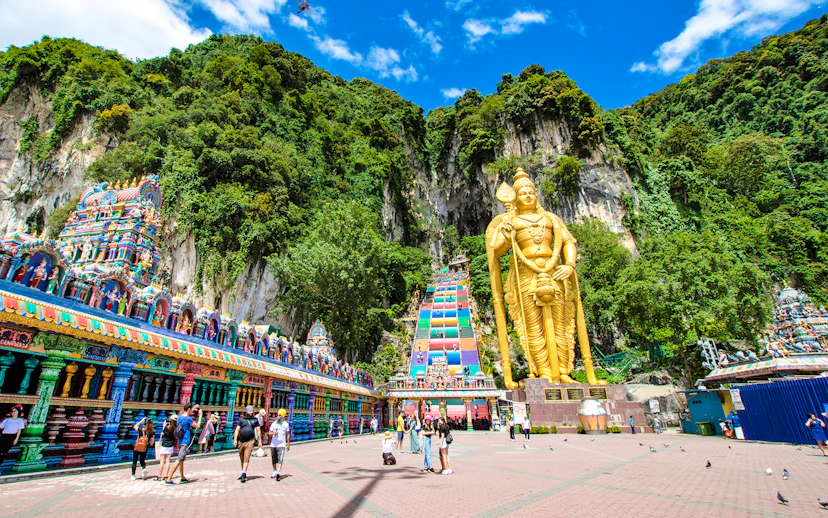
- Tip: Petaling Street has dedicated street food stalls where you can get the best of Malaysian cuisine. Sample everything from nasi lemak to spicy, slippery laksa, and curries with flaky roti canai.
- Strict dress code: For Batu Caves, no shorts, sleeveless shirts, or open-toed shoes. Women must wear long dresses or pants with covered shoulders, while men can wear a tee with knee-length shorts or pants.
- This experience is not accessible by wheelchair and pram/strollers.
- Your safety comes first so visitors with back problems, heart problems, and walking disabilities are restricted from participating in this experience.
Inclusions #
Available packages
Shared day tour
Half-day tour of Batu Caves
Shared tour
English-speaking driver cum guide
Hotel transfers in an AC bus/Transfers from the meeting point (as per option selected)
Batu Caves visit
Batik Factory showroom visit
Private cultural temple tour with Batu Caves
Private half-day tour of Batu Caves
Entry to Batu Caves
Thean Hou Temple visit
Petaling Street visit
National Mosque of Malaysia visit
Central market visit
Hotel transfers in AC bus
Lunch (as per option selected)
- Get full refund if you cancel 48 hours before the experience start time.
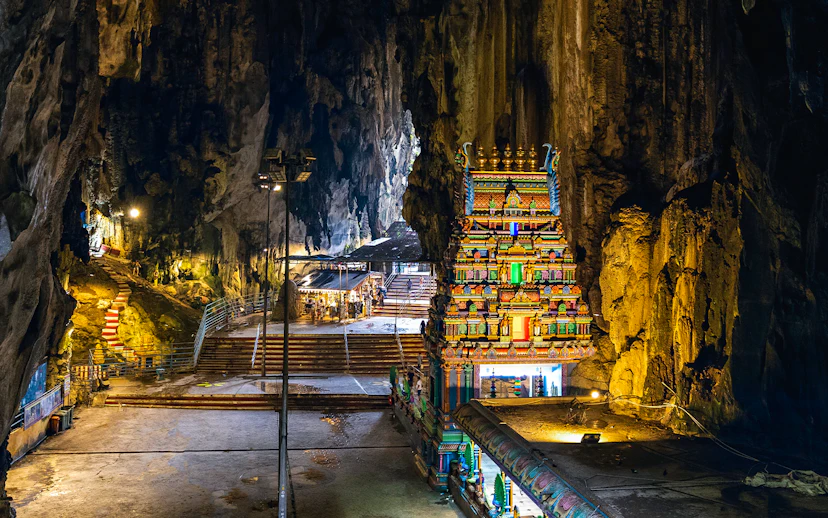
From Kuala Lumpur: Private Half-Day Batu Caves & Cultural Temple Tour with Transfers
- Tip: Petaling Street has dedicated street food stalls where you can get the best of Malaysian cuisine. Sample everything from nasi lemak to spicy, slippery laksa, and curries with flaky roti canai.
- Strict dress code: For Batu Caves, no shorts, sleeveless shirts, or open-toed shoes. Women must wear long dresses or pants with covered shoulders, while men can wear a tee with knee-length shorts or pants.
- This experience is not accessible by wheelchair and pram/strollers.
- Your safety comes first so visitors with back problems, heart problems, and walking disabilities are restricted from participating in this experience.
Inclusions #
Private half-day tour of Batu Caves
Thean Hou Temple visit
Petaling Street visit
National Mosque of Malaysia visit
Central market visit
Lunch (as per option selected)
English-speaking driver cum guide
Transfers in AC vehicle from hotel
- Get full refund if you cancel 48 hours before the experience start time.
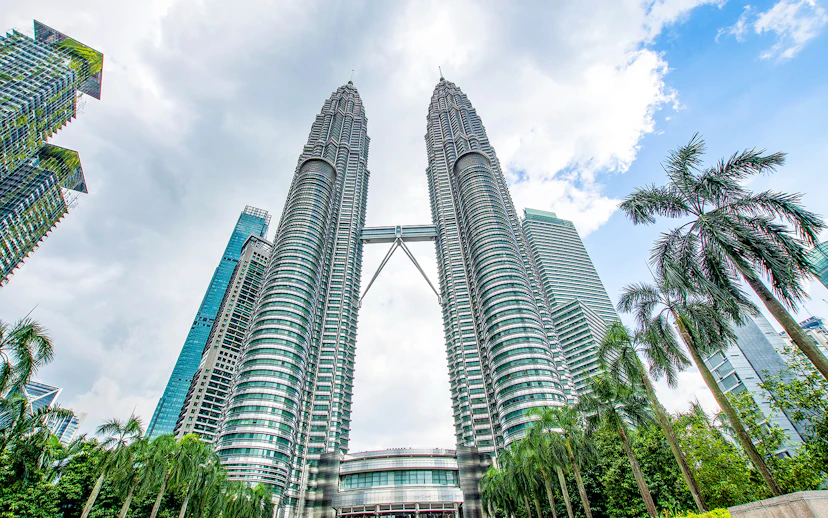
From Kuala Lumpur: Day Tour of Batu Caves & Kuala Lumpur City with Transfers
- Tip: For those keen to get crafty, try batik painting, a traditional art form of painting directly onto cloth or silk.
- Strict dress code: For Batu Caves, no shorts, sleeveless shirts, or open-toed shoes. Women must wear long dresses or pants with covered shoulders, while men can wear a tee with knee-length shorts or pants.
- This experience is not accessible by wheelchair and pram/strollers.
- Your safety comes first so visitors with back problems, heart problems, and walking disabilities are restricted from participating in this experience.
Inclusions #
Available packages
Half-day tour
Private/shared half-day tour of KL city
English-speaking driver cum guide
Hotel transfers in an AC bus/AC car
Batu Caves visit
Full-day tour
Private full-day tour of KL City
English-speaking driver cum guide
Hotel transfers in an AC car
Batu Caves visit
Petronas Twin Towers (optional)
Exclusions #
Admission to attractions
Meals
- Get full refund if you cancel 48 hours before the experience start time.
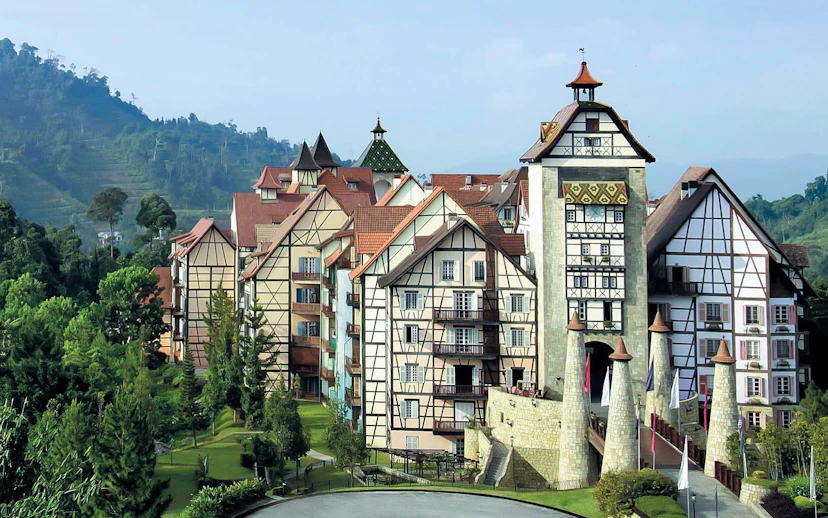
From Kuala Lumpur: Full-Day Tour of Batu Caves & Colmar Tropicale with Transfers
- Tip: Explore the Cafés: Take a break at one of the charming French cafés lining the streets. Try the pastries and local delights while soaking in the picturesque ambiance.
- Strict dress code: Shorts, sleeveless shirts, and open-toed shoes are not allowed for the Batu Caves visit.
- This experience is not accessible by wheelchair and pram/strollers.
- Your safety comes first so visitors with back problems, heart problems, and walking disabilities are restricted from participating in this experience.
Inclusions #
Full-day tour of Batu Caves & Colmar Tropicale
Shared tour
English-speaking driver cum guide
Hotel transfers in AC vehicle
Exclusions #
- Lunch
- Get full refund if you cancel 24 hours before the experience start time.
From Kuala Lumpur: Private Day Tour of Batu Caves, Kuala Lumpur City & FireFlies Watching with Transfers
Only private full-day tour that takes you firefly watching, Batu Caves & KL city tour for people short on time but big on sights!
- Everything you get: Hotel transfers in an AC car, an English-speaking driver-guide, a seafood dinner in the charming village of Kuala Selangor, and a boat tour for fireflies watching.
- You’ll see: the Bukit Malawati fortress stalactite caves at Batu Caves. Visit the National Mosque, Merdeka Square, River of Life, Golden Triangle, Petronas Towers, and more.
- You’ll do: Take a boat ride down the Selangor River and see thousands of fireflies light up the mangrove trees and the river!
Inclusions #
Full-day tour of KL City & Batu Caves
Private tour
English-speaking driver cum guide
Hotel transfers in AC car
Fireflies Park visit
Boat ride ticket
Seafood dinner with soft drink
Exclusions #
- Admission to attractions
- Tip: It is recommended that visitors refrain from touching or patting the Silver Leaf Monkey at Malawati Hills. However, if one happens to jump on your shoulder, simply remain calm and relaxed.
- Bring along your sunglasses, sunscreen, hat, water bottle, change of clothes, and insect repellant.
- It is recommended to wear comfortable shoes as this experience involves a fair amount of walking.
- Strict dress code: For Batu Caves, no shorts, sleeveless shirts, or open-toed shoes. Women must wear long dresses or pants with covered shoulders, while men can wear a tee with knee-length shorts or pants.
- These tickets can't be cancelled. However, they can be rescheduled up to 48 hours before the experience begins.
Which Batu Caves ticket is best for you
| Ticket type | What's included | Best for | Price range |
|---|---|---|---|
Half-day Batu Caves tour with transfers | Shared or private round-trip transfers from Kuala Lumpur, Batu Caves visit, English-speaking guide, and optional cultural market stops depending on package. | A shorter Kuala Lumpur itinerary where you want the cave experience handled smoothly without navigating trains, taxis, or the staircase logistics yourself. | From MYR 55 |
Batu Caves + Kuala Lumpur city tour | Batu Caves visit combined with KL landmarks like Merdeka Square, National Mosque, Central Market, and Petronas Towers area, with transfers and guide. | Seeing Batu Caves while also covering Kuala Lumpur’s headline sights in a single organized day instead of splitting transport across separate attractions. | From MYR 240 |
Batu Caves + Colmar Tropicale day tour | Full-day guided trip with Batu Caves, Colmar Tropicale, hotel transfers, and scenic mountain-route stops. | A longer day trip where you want Batu Caves as part of a broader sightseeing escape rather than as a standalone cultural stop. | From MYR 150 |
Batu Caves + fireflies watching combo | Private guided tour combining Batu Caves, Kuala Lumpur highlights, dinner, and an evening firefly river cruise experience. | Turning a simple Batu Caves visit into a full-day nature-and-city itinerary with minimal transport planning between distant experiences. | From MYR 800 |
Batu Caves + Putrajaya private tour | Private vehicle, Batu Caves stop, Kuala Lumpur sightseeing, and Putrajaya landmarks with hotel transfers included. | A more comfortable sightseeing day where you want flexible pacing and multiple city stops without relying on public transport. | From MYR 500 |
How do you get around Batu Caves?
How the site is laid out
Maps and navigation tools
What are the most significant spaces in Batu Caves?