Your guide to the ongoing exhibitions at Aquaria KLCC

Step inside the immersive wildlife zones at Aquaria KLCC and discover fascinating marine and freshwater species from around the world. From interactive touch pools to predator-filled ocean tunnels, these permanent exhibitions are included with standard admission tickets.

Ongoing Aquaria KLCC exhibitions

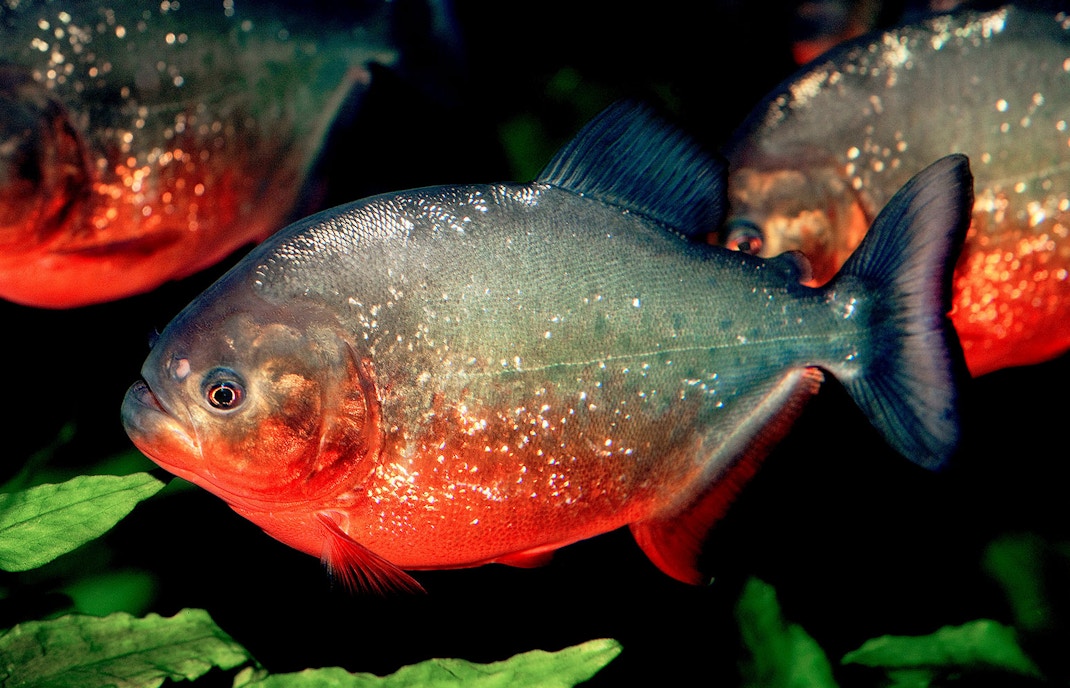
Red-bellied Piranha

Meet the fierce-looking Red-bellied Piranha, a South American freshwater predator known for its razor-sharp teeth and group hunting strategies. These highly social fish travel in schools of over 100 individuals for protection and survival.

  • Scientific name: Pygocentrus nattereri
  • Average lifespan: 10 years
  • Size: Up to 0.5 m
  • Distribution: South America
  • Location: Evolution Zone
  • Included with admission: Yes
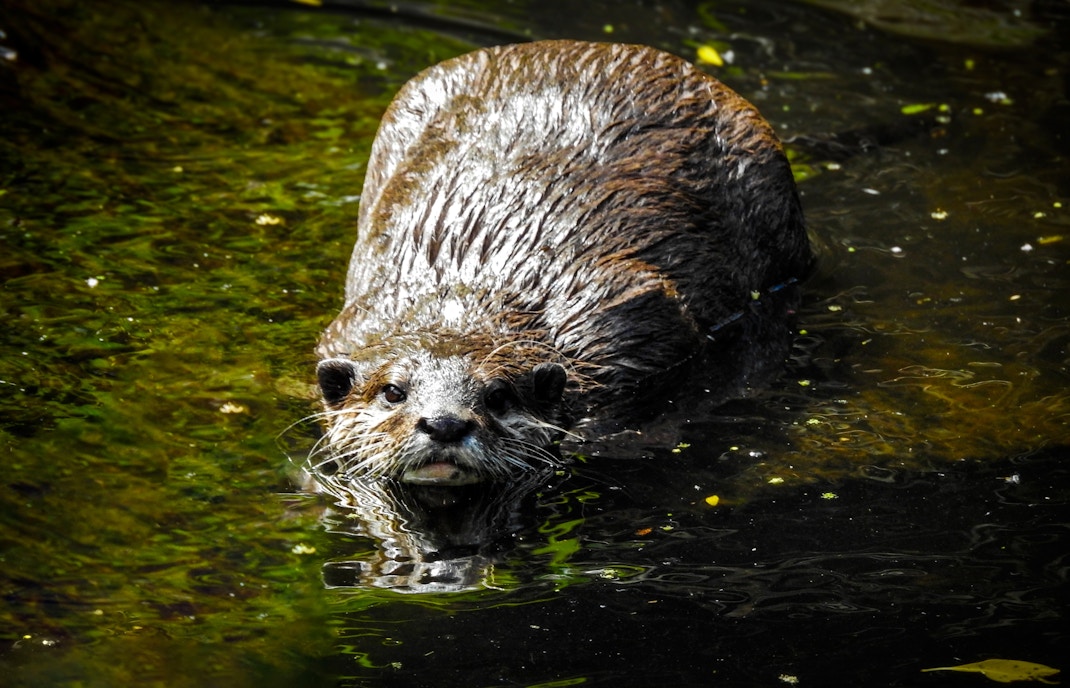
Asian Small-clawed Otter

Watch the playful Asian Small-clawed Otters swim and interact in their habitat. These intelligent mammals are excellent swimmers, using their strong tails and hind legs to move effortlessly through the water.

  • Scientific name: Aonyx cinerea
  • Average lifespan: Up to 16 years
  • Size: Up to 1.3 m
  • Distribution: Indo-west Pacific
  • Location: The Stream
  • Included with admission: Yes
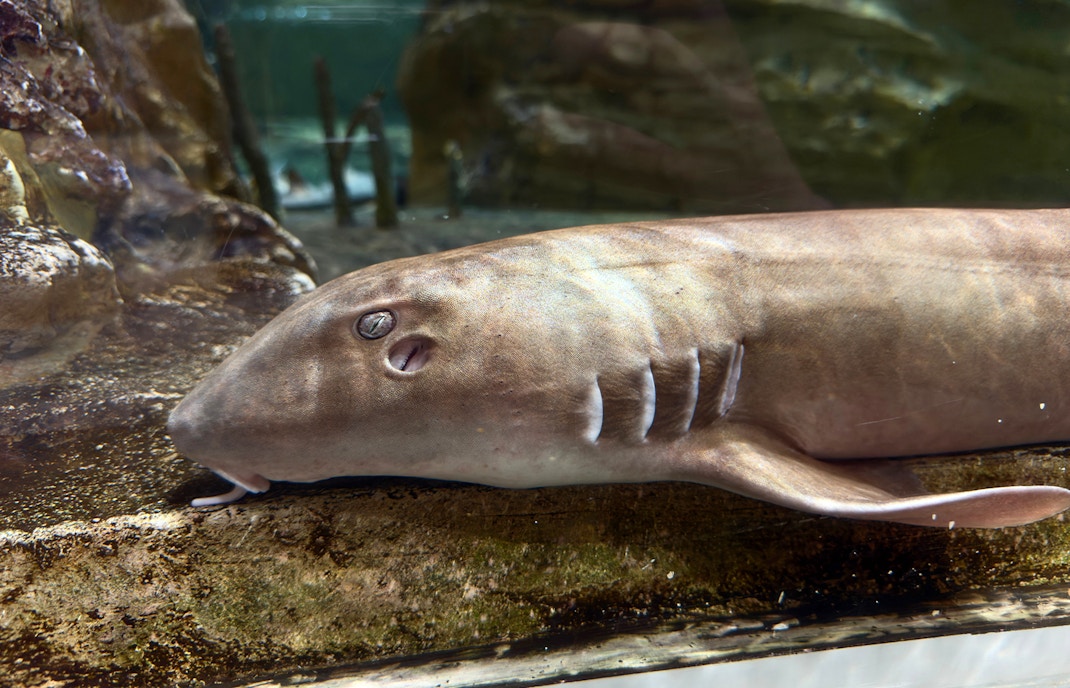
Brown-banded Bamboo Shark

Also known as “cat sharks,” Brown-banded Bamboo Sharks use whisker-like barbels to locate prey in dark waters. These nocturnal predators mainly feed on small fish and crustaceans.

  • Scientific name: Chiloscyllium punctatum
  • Average lifespan: Up to 25 years
  • Size: Up to 1.3 m
  • Distribution: Indo-west Pacific
  • Location: Touch Pool
  • Included with admission: Yes
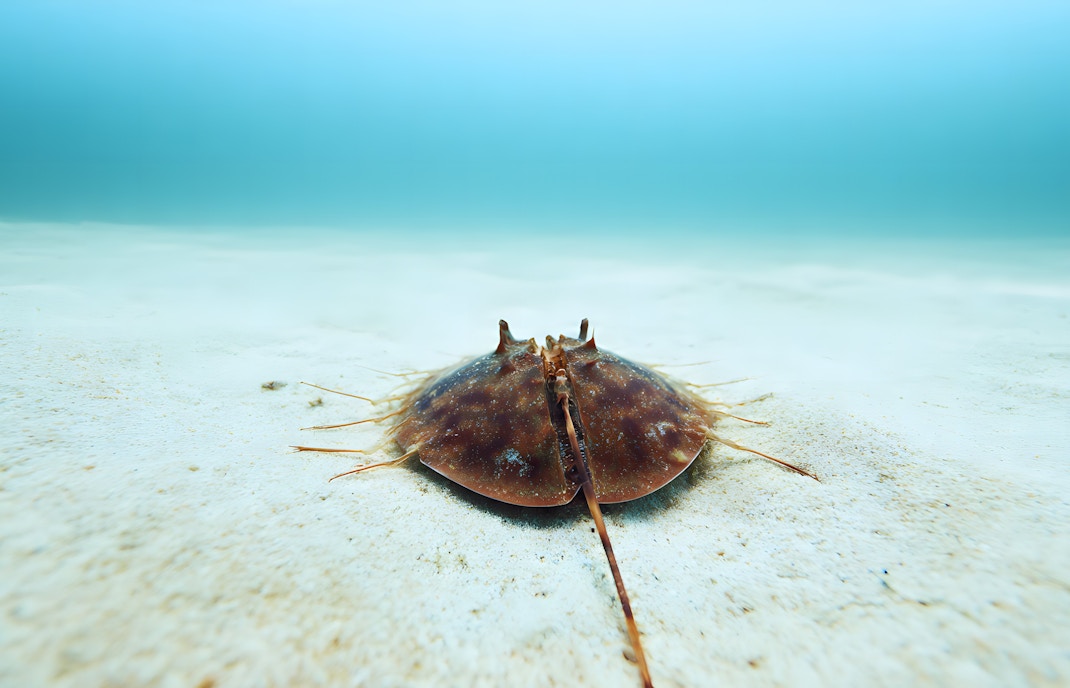
Horseshoe Crab

Discover one of the oldest surviving marine species at the Horseshoe Crab exhibit. Despite their intimidating appearance, these ancient creatures are harmless and use their tails to flip themselves upright when overturned.

  • Scientific name: Carcinoscorpius rotundicauda
  • Average lifespan: Not evaluated
  • Size: Up to 2.5 m diameter
  • Distribution: Indo-Pacific
  • Location: Touch Pool
  • Included with admission: Yes
Asian Small-clawed Otter

Watch the playful Asian Small-clawed Otters glide effortlessly through the water in this interactive habitat zone. These intelligent mammals are excellent swimmers, using their strong hind legs and tails to move swiftly while their dense double-layered fur keeps them warm.

  • Scientific name: Aonyx cinereus
  • Average lifespan: Up to 16 years
  • Size: Up to 1.3 m
  • Distribution: Indo-west Pacific
  • Location: Jewels of Jungle
  • Included with admission: Yes
Asian Small-clawed Otter

Watch the playful Asian Small-clawed Otters glide effortlessly through the water in this interactive habitat zone. These intelligent mammals are excellent swimmers, using their strong hind legs and tails to move swiftly while their dense double-layered fur keeps them warm.

  • Scientific name: Aonyx cinereus
  • Average lifespan: Up to 16 years
  • Size: Up to 1.3 m
  • Distribution: Indo-west Pacific
  • Location: Jewels of Jungle
  • Included with admission: Yes
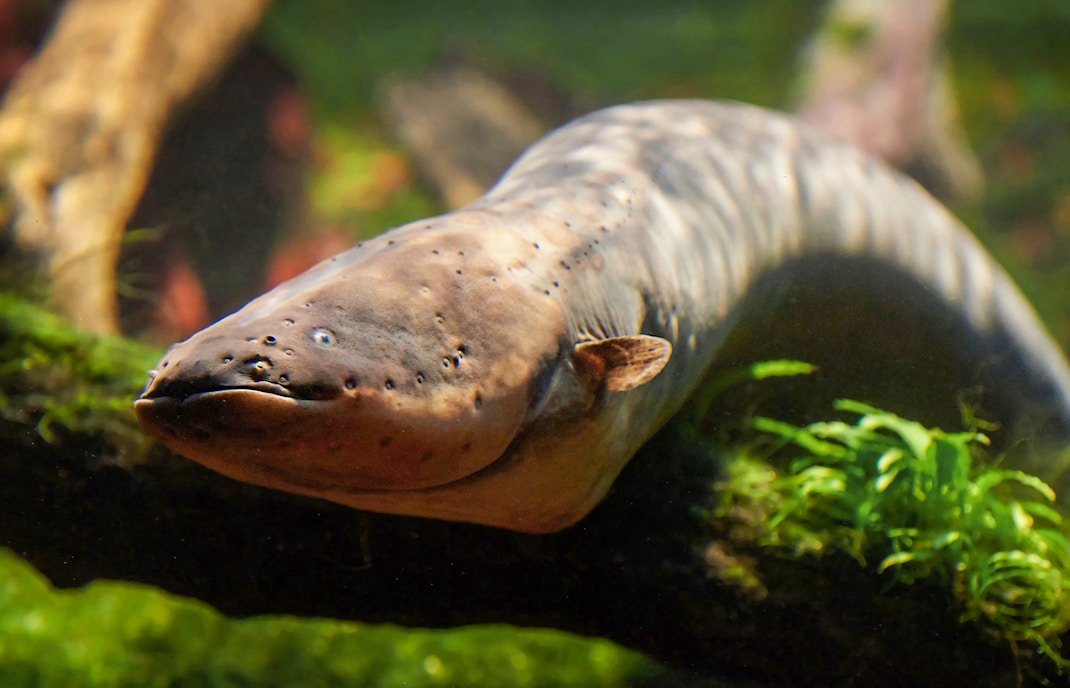
Electric Eel

The Electric Eel is famous for generating powerful electric shocks of up to 650 volts. These South American freshwater predators use electrical signals to navigate muddy waters and locate prey.

  • Scientific name: Electrophorus electricus
  • Average lifespan: 15 years
  • Size: Up to 2.5 m
  • Distribution: South America River
  • Location: Jewels of Jungle
  • Included with admission: Yes
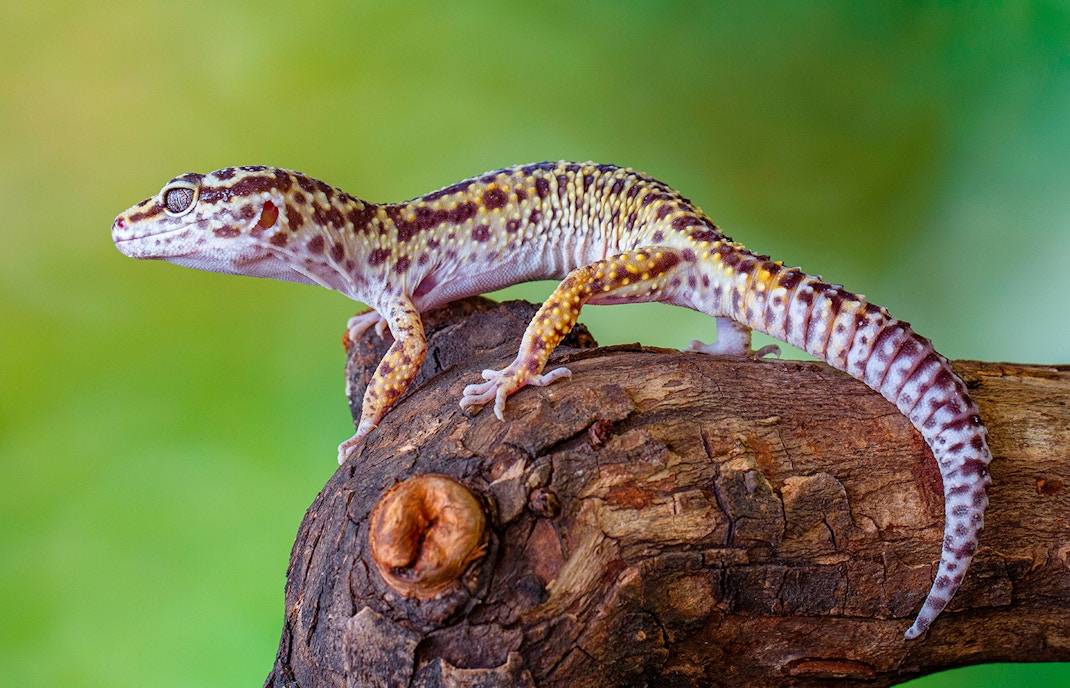
Tokay Gecko

Known for its remarkable climbing skills, the Tokay Gecko can grip almost any surface using microscopic hairs beneath its toes. It can also detach and regrow its tail as a defense mechanism.

  • Scientific name: Gekko gecko
  • Average lifespan: Up to 10 years
  • Size: Up to 0.4 m
  • Distribution: Southeast Asia
  • Location: Jewels of Jungle
  • Included with admission: Yes

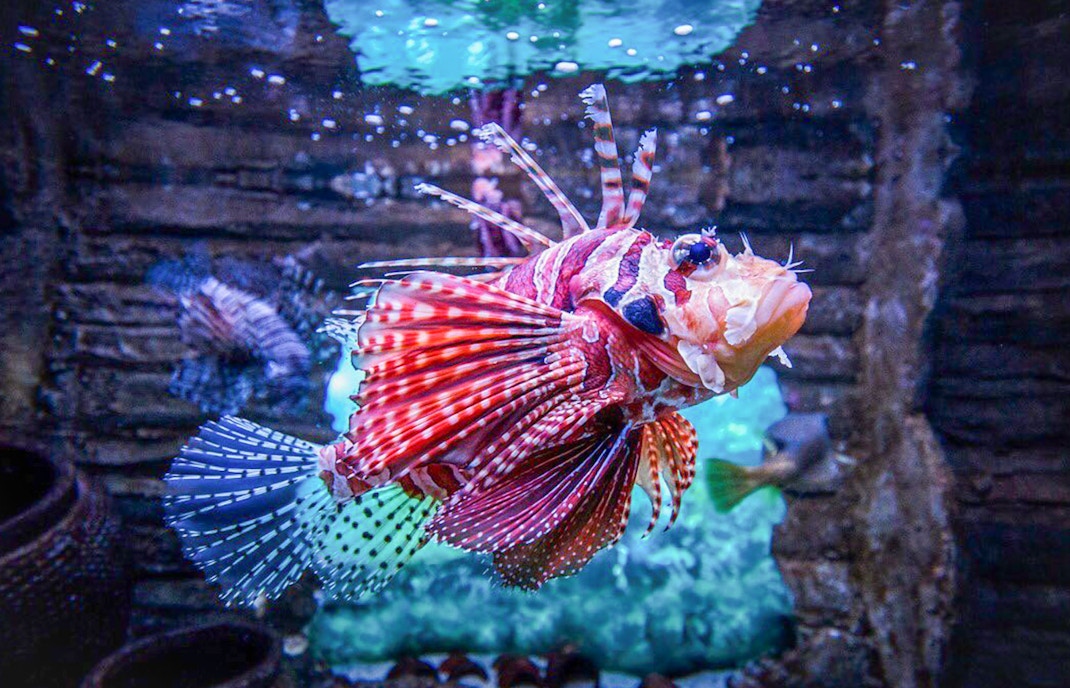
Red Lionfish

Admire the striking Red Lionfish, recognized for its dramatic zebra-like stripes and venomous fan-shaped fins. These ambush predators wait patiently before rapidly attacking prey.

  • Scientific name: Pterois volitans
  • Average lifespan: Up to 10 years
  • Size: Up to 0.5 m
  • Distribution: Pacific Ocean
  • Location: Shipwreck
  • Included with admission: Yes

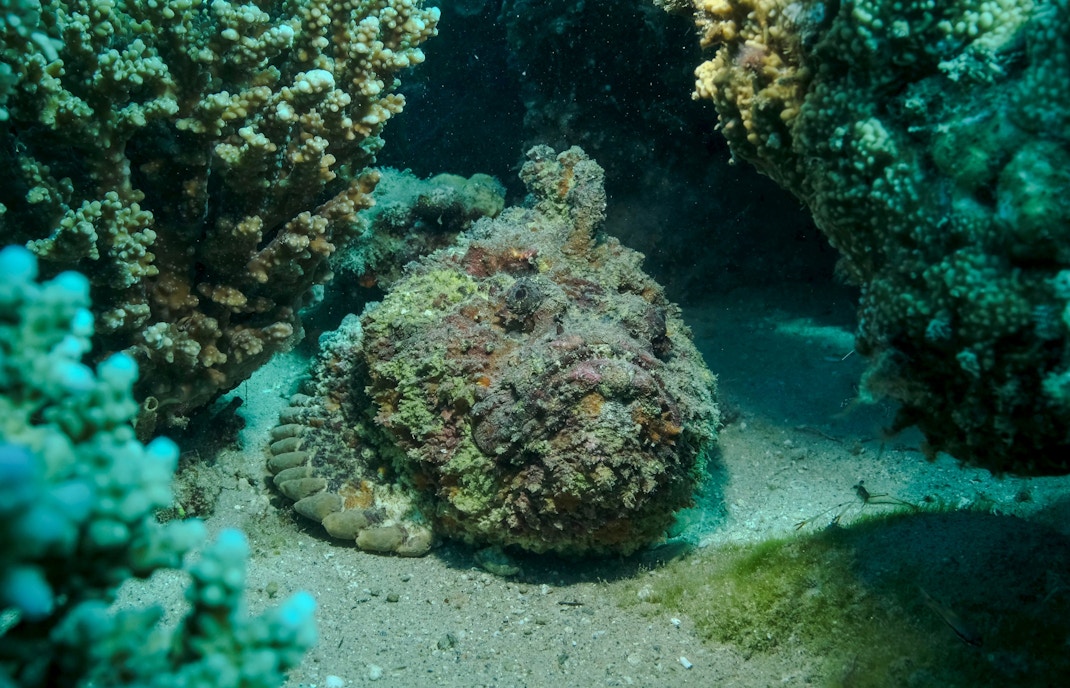
Reef Stonefish

The Reef Stonefish is one of the ocean’s best camouflaged predators. Its textured body blends perfectly with rocks and coral while venomous dorsal spines provide powerful protection.

  • Scientific name: Synanceia verrucosa
  • Average lifespan: 5 to 10 years
  • Size: Up to 0.5 m
  • Distribution: Indo-Pacific Ocean
  • Location: Shipwreck
  • Included with admission: Yes

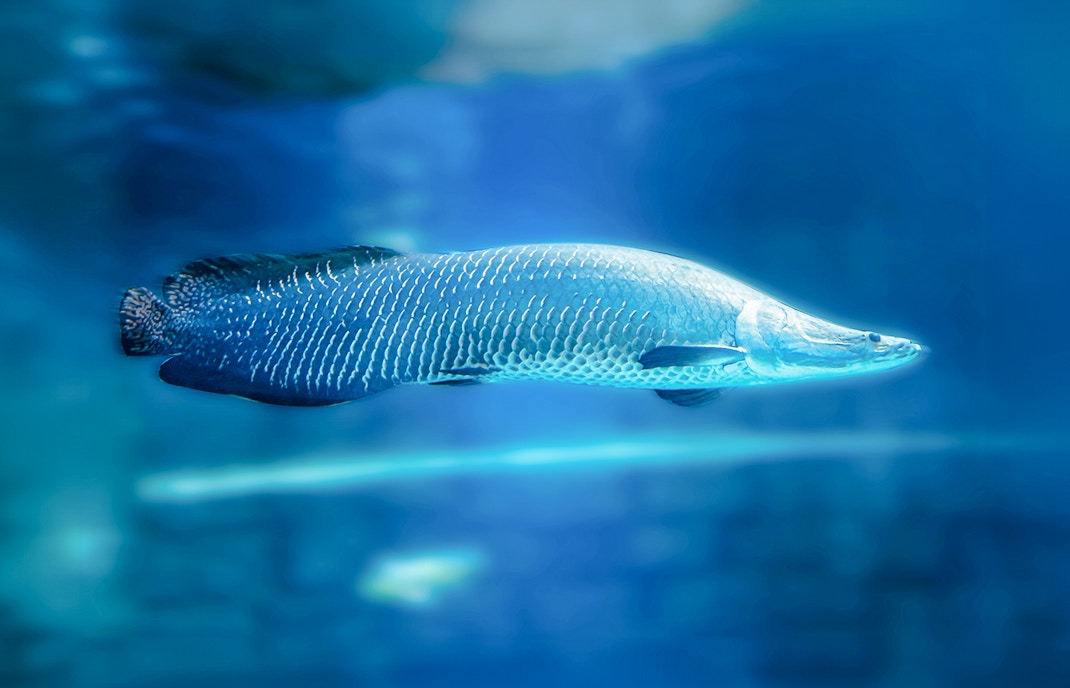
Arapaima

One of the world’s largest freshwater fish, the Arapaima uses a vacuum-like feeding method to suck prey into its mouth. Its diet includes fish, insects, fruits, and even small animals.

  • Scientific name: Arapaima gigas
  • Average lifespan: 15 to 20 years
  • Size: Up to 4.5 m
  • Distribution: South America
  • Location: Flooded Forest
  • Included with admission: Yes

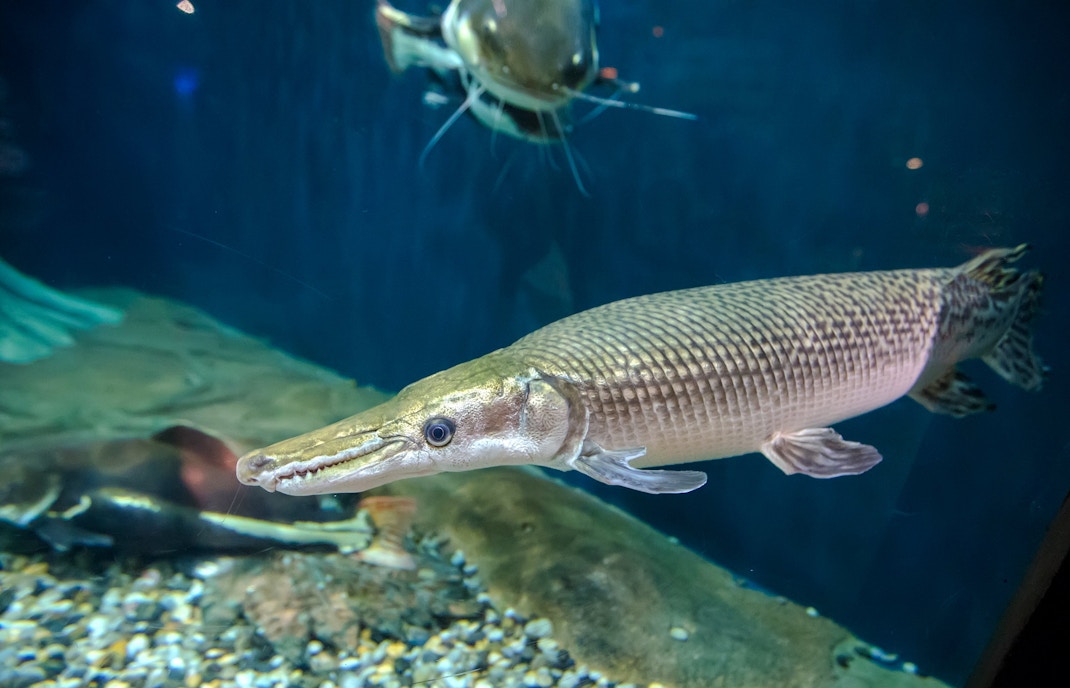
Alligator Garfish

The prehistoric-looking Alligator Garfish is highly adaptable and can survive in low-oxygen waters by breathing atmospheric air through a lung-like swim bladder.

  • Scientific name: Lepisosteus spatula
  • Average lifespan: Up to 50 years
  • Size: Up to 3.0 m
  • Distribution: South-eastern United States
  • Location: Flooded Forest
  • Included with admission: Yes

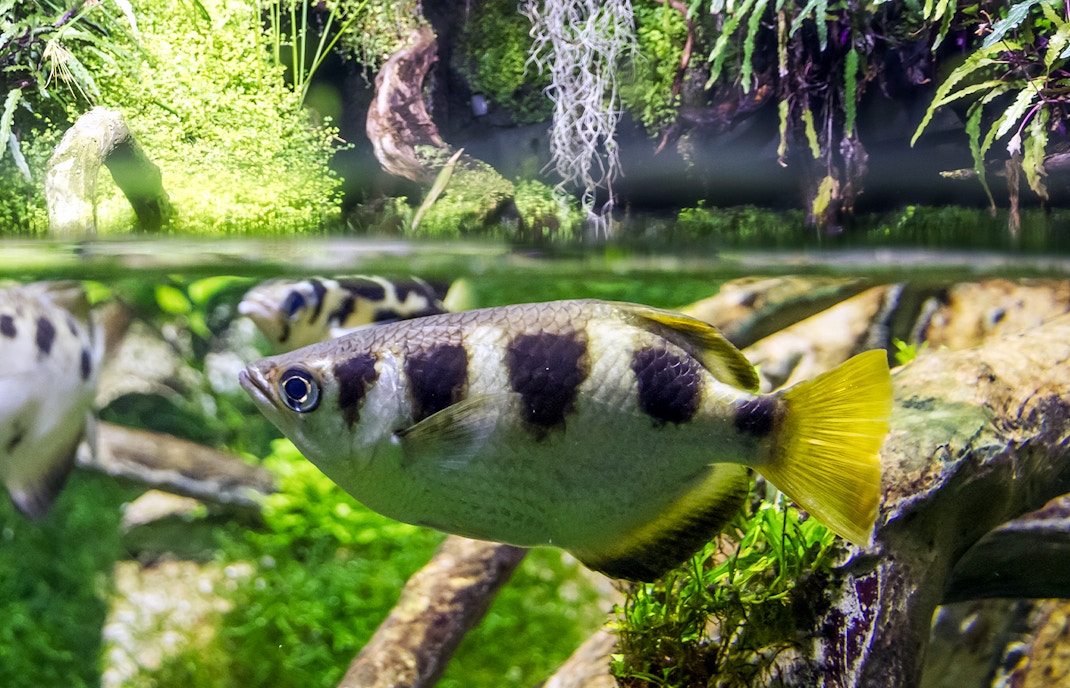
Archerfish

Archerfish are famous for their hunting technique, shooting streams of water at insects above the surface to knock them into the water before feeding.

  • Scientific name: Toxotes jaculatrix
  • Average lifespan: Up to 10 years
  • Size: Up to 0.3 m
  • Distribution: Indo-Pacific
  • Location: The Coastal
  • Included with admission: Yes

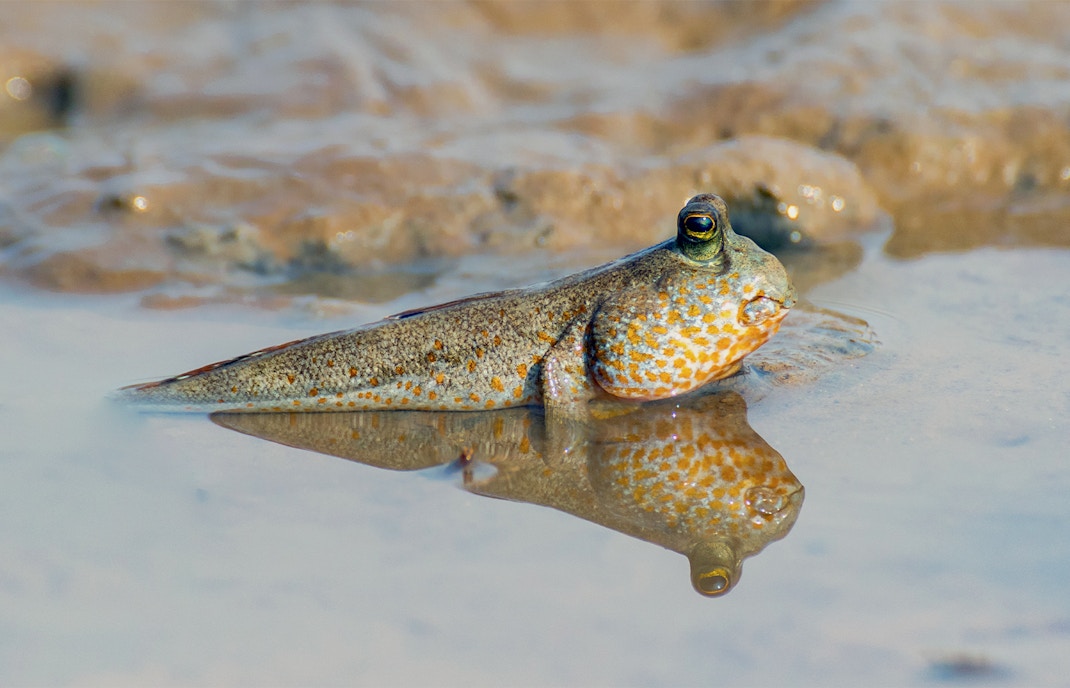
Giant Mudskipper

The Giant Mudskipper is an amphibious fish capable of living both in water and on land. It can even climb rocks and trees using its fins for movement.

  • Scientific name: Periophthalmodon schlosseri
  • Average lifespan: Up to 5 years
  • Size: Up to 0.27 m
  • Distribution: Southeast Asia
  • Location: The Coastal
  • Included with admission: Yes

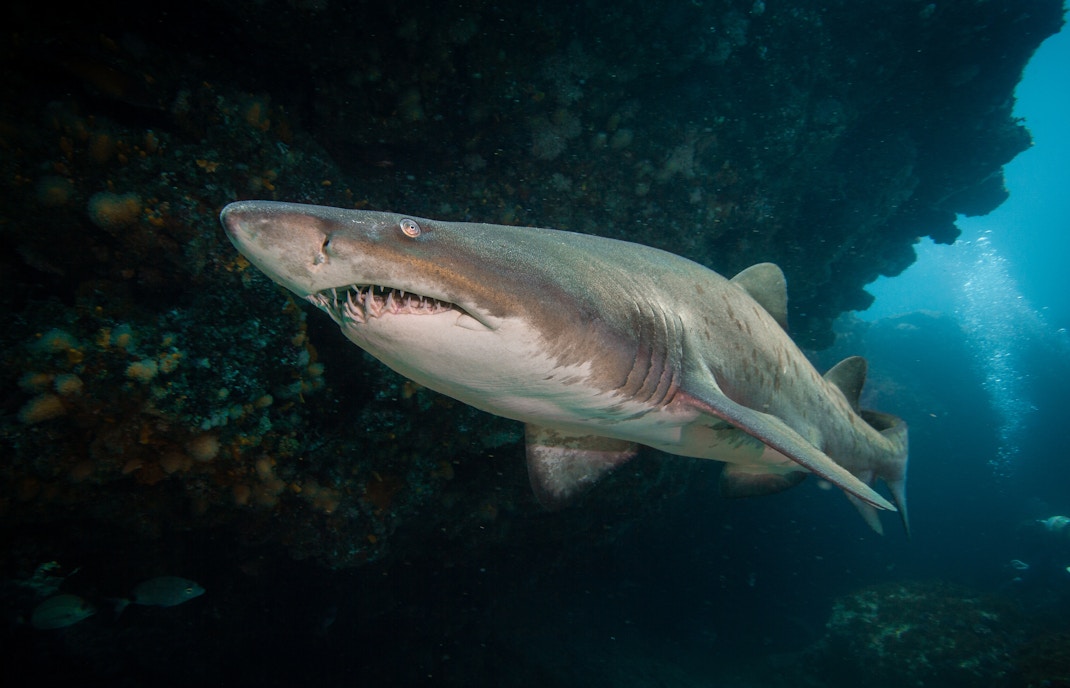
Sand Tiger Shark

Sand Tiger Sharks are powerful ocean predators known for their sharp teeth and unusual reproductive behavior, where only the strongest embryos survive before birth.

  • Scientific name: Carcharias taurus
  • Average lifespan: Up to 15 years
  • Size: Up to 2.2 m
  • Distribution: Indo-west Pacific and Atlantic
  • Location: Living Ocean
  • Included with admission: Yes

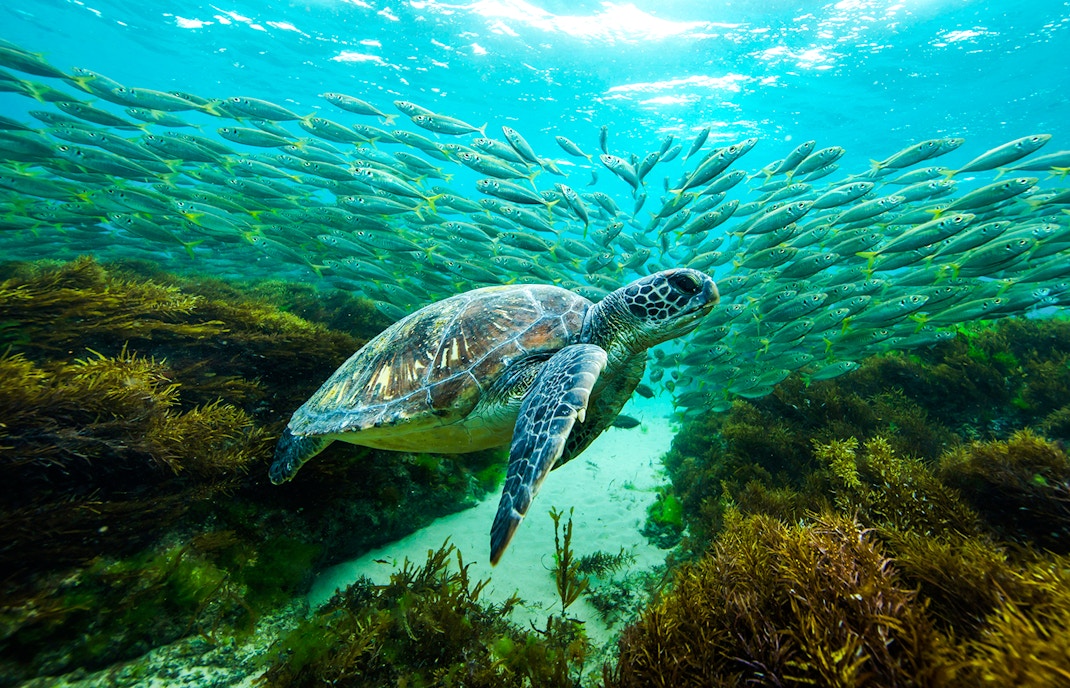
Green Sea Turtle

Observe the graceful Green Sea Turtle, a marine reptile that shifts from a carnivorous to herbivorous diet as it matures. Adults mainly feed on seagrass and algae.

  • Scientific name: Chelonia mydas
  • Average lifespan: Up to 80 years
  • Size: Up to 1.2 m
  • Distribution: Tropical and subtropical coastal waters
  • Location: Living Ocean
  • Included with admission: Yes

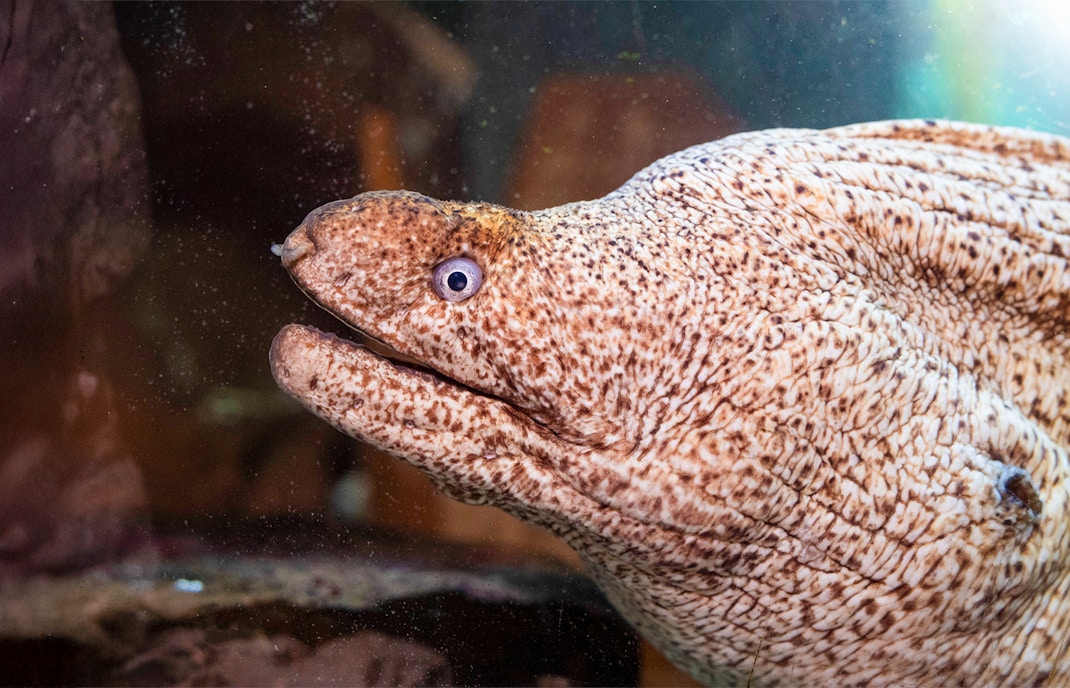
Giant Moray Eel

Hidden among caves and rocky crevices, the Giant Moray Eel is an ambush predator that forms unique cleaning partnerships with shrimps.

  • Scientific name: Gymnothorax javanicus
  • Average lifespan: Up to 30 years
  • Size: Up to 3.0 m
  • Distribution: Indo-Pacific
  • Location: Living Ocean
  • Included with admission: Yes

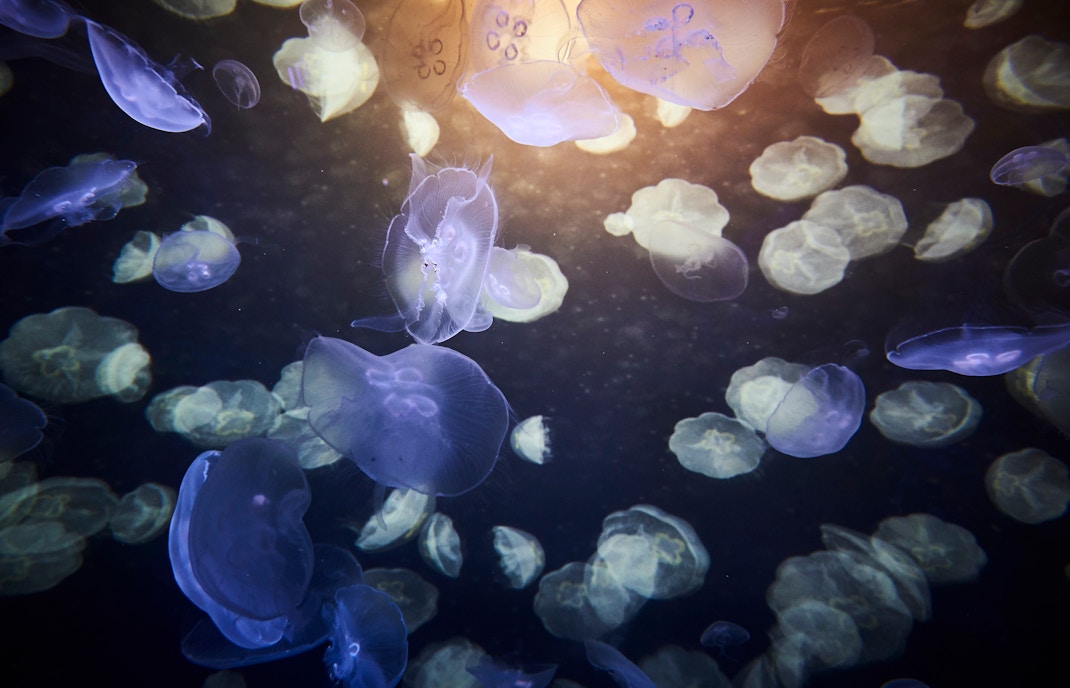
Moon Jelly

The delicate Moon Jelly drifts gracefully through the water using tentacles equipped with stinging cells for hunting and defense.

  • Scientific name: Aurelia aurita
  • Average lifespan: Up to 25 years
  • Size: Up to 0.5 m diameter
  • Distribution: Subtropical to polar regions
  • Location: Station Aquarius
  • Included with admission: Yes

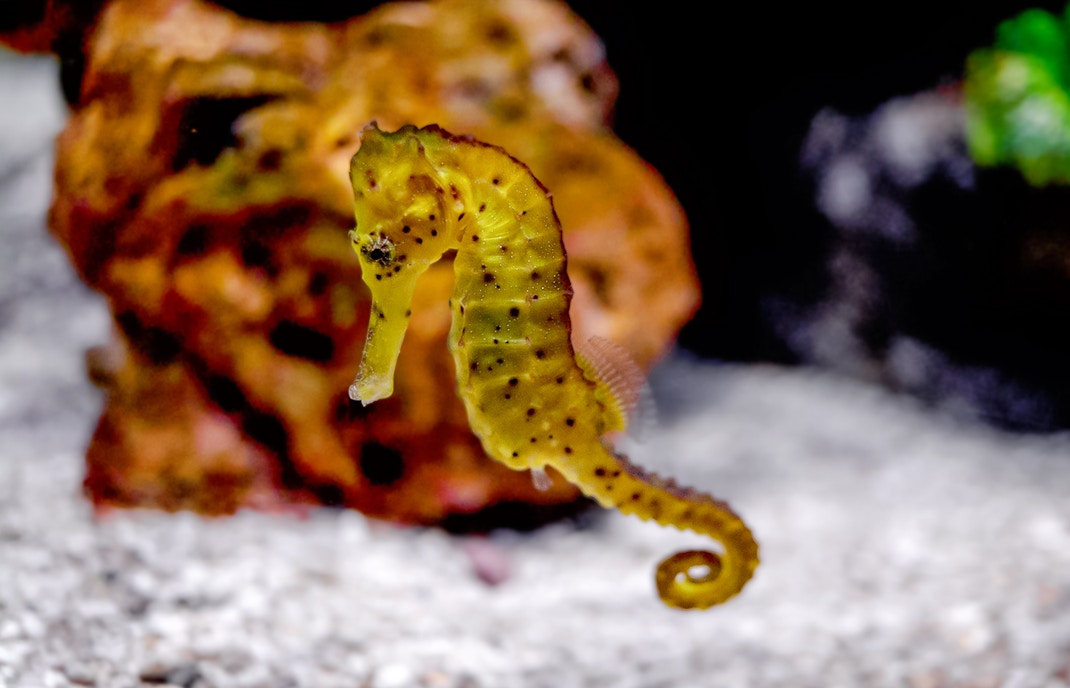
Seahorse

Seahorses are unique marine animals with curled tails used for anchoring themselves to coral and plants. Male seahorses carry and hatch the eggs in a specialized pouch.

  • Scientific name: Hippocampus abdominalis
  • Average lifespan: Up to 5 years
  • Size: Up to 0.4 m
  • Distribution: South-west Pacific
  • Location: Station Aquarius
  • Included with admission: Yes

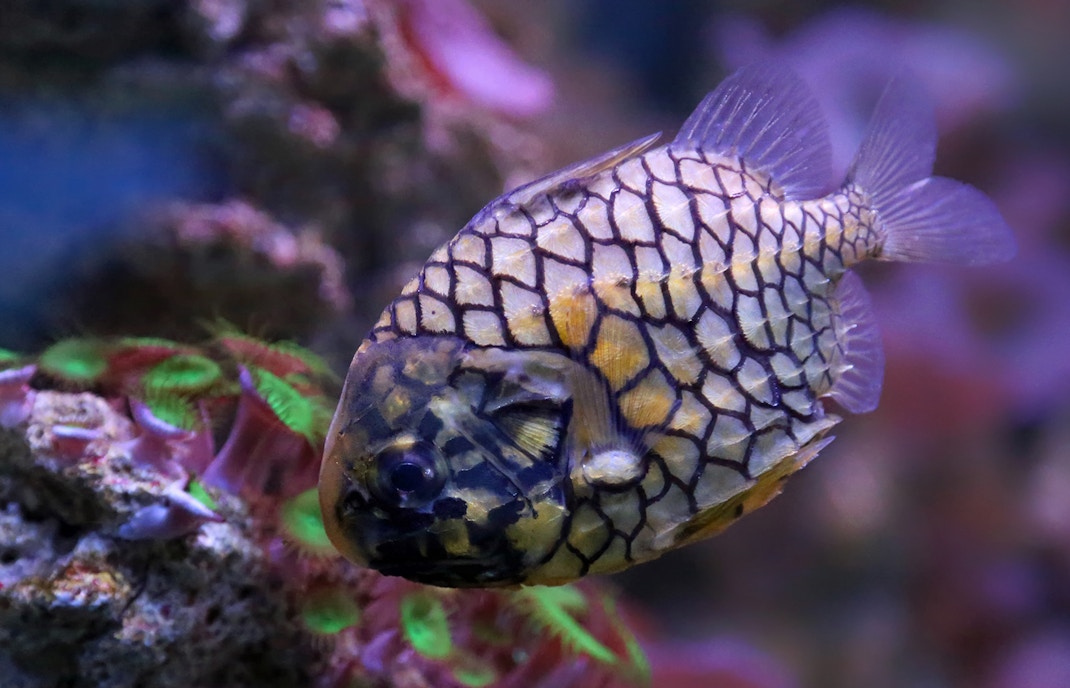
Pinecone Fish

Pinecone Fish stand out because of their plate-like scales and glowing bioluminescent organs that help attract plankton in dark waters.

  • Scientific name: Monocentris japonica
  • Average lifespan: Not evaluated
  • Size: Up to 0.2 m
  • Distribution: Indo-west Pacific
  • Location: Weird and Wonderful
  • Included with admission: Yes

FAQs

Yes, all permanent animal exhibitions at Aquaria KLCC are included with regular admission tickets.